
Filters:
By tour type
By destination
By starting tour
Danube Delta – Wildlife Photography Tour – 5 Days
Start from: 890 €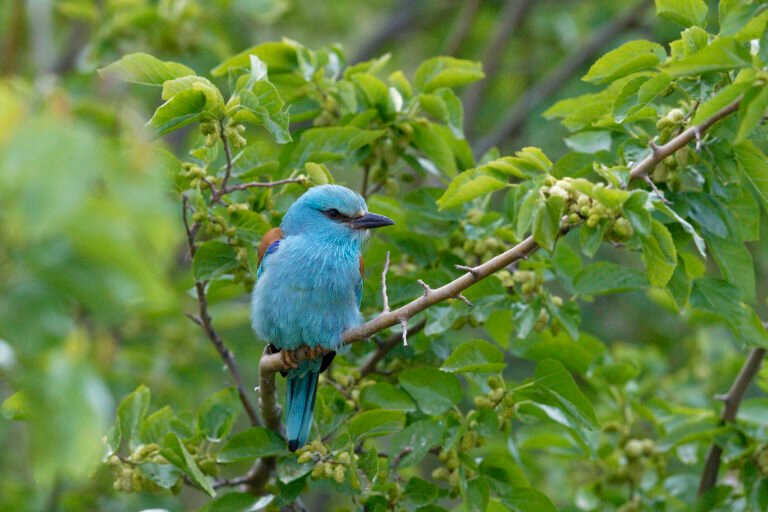 Start on 21 April 2026
Romania’s Danube Delta & Carpathian Mountains – 10-Day Wildlife & Birdwatching Tour
Start from: 2290 €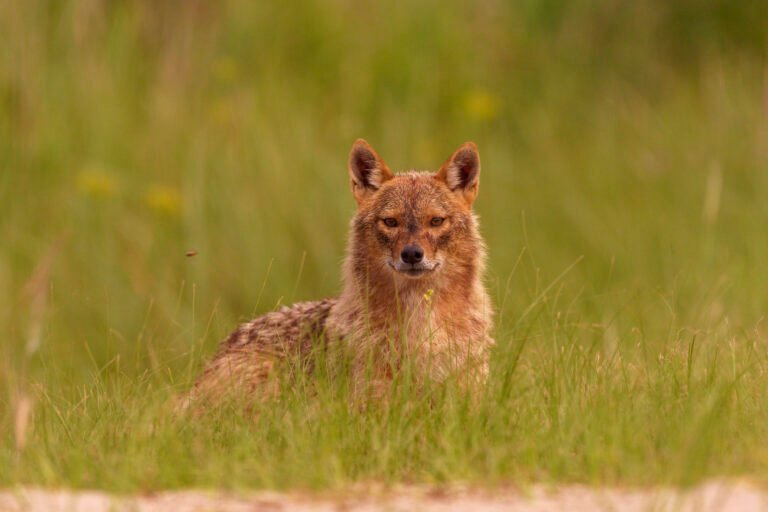 Start on 26 April 2026
Danube Delta – Wildlife Photography Tour – 5 Days
Start from: 890 € Start on 6 May 2026
Romania’s Danube Delta & Carpathian Mountains – 10-Day Wildlife & Birdwatching Tour
Start from: 2290 €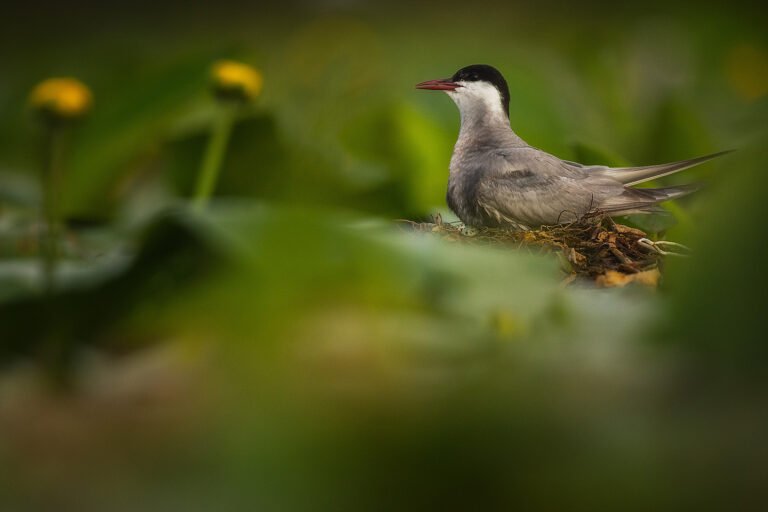 Start on 11 May 2026
Danube Delta – Wildlife Photography Tour – 5 Days
Start from: 890 €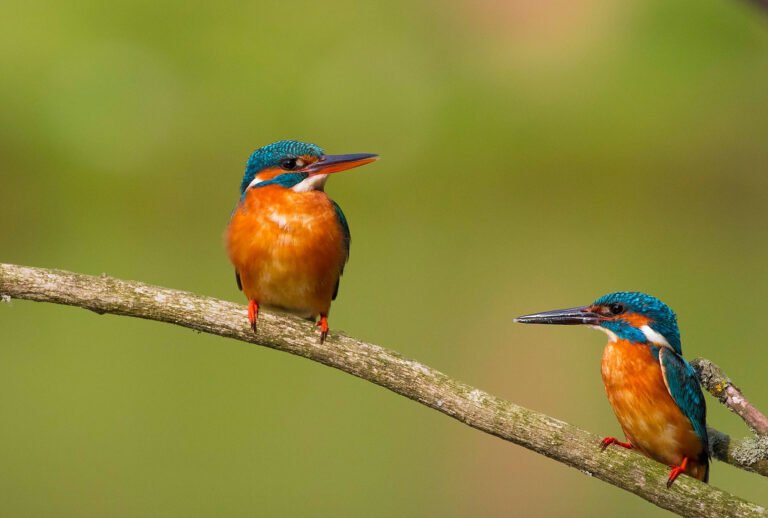 Start on 18 May 2026
Danube Delta – Wildlife Photography Tour – 5 Days
Start from: 890 € Start on 22 May 2026
 Start on 24 May 2026
Danube Delta & Dobrogea Bird Photography Tour – 7 Days
Start from: 1650 € Start on 25 May 2026
Danube Delta – Wildlife Photography Tour – 5 Days
Start from: 890 € Start on 27 May 2026
Danube Delta & Dobrogea Bird Photography Tour – 7 Days
Start from: 1650 €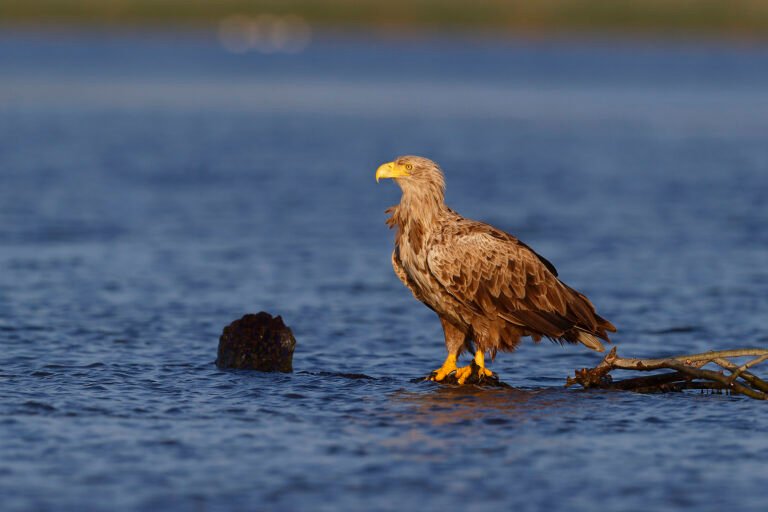 Start on 1 June 2026
Equipment for Birding in Romania
Romania's three distinct habitats each call for a somewhat different packing strategy. In the delta, waterproof optics and long-range glass are non-negotiable; the Carpathians demand warm layers even at the peak of summer; and on the steppe, a stable tripod will consistently prove its worth. What follows is drawn from the collective experience of our guides — more than 15 years of leading birding tours the length and breadth of the country.
Binoculars
The 10×42 roof-prism binocular is the delta standard — the additional magnification earns its keep on open water, where you’ll be scanning distant pelican flocks and rafts of resting ducks. In Carpathian woodland, an 8×42 is the preferred choice for its stronger performance in low light. Waterproofing is non-negotiable; morning mist on the delta channels is thick and persistent.
Frequently seen around our guests’ necks: Swarovski EL 10×42, Zeiss Victory SF 8×42, Nikon Monarch 7 10×42.
Spotting Scope
On open water, a 60–80mm scope mounted on a window clamp turns distant pelican colonies and wader flocks into something truly rewarding to watch. It isn’t strictly necessary — our guides carry shared scopes on every cruise — but serious birders almost never wish they’d left theirs at home. An 80mm scope paired with a 20–60× zoom eyepiece strikes the best balance between reach and versatility.
A window or boat-rail clamp adds virtually no weight to your bag and is far more practical than lugging a full tripod onto a moving vessel.
Camera & Lenses
The delta’s pelicans, herons, and eagles are well within reach of a 400–500mm telephoto lens. For more dedicated photography, a 500mm f/4 or 600mm f/5.6 rested on a boat beanbag is the setup most serious photographers gravitate toward. Mirrorless bodies — Sony Alpha, Nikon Z, Canon R series — have largely taken over from DSLRs, valued for their lighter weight and the silent shutter that avoids disturbing nesting birds.
One distinct advantage of the floating hotel: heavy lenses can stay mounted and ready overnight, so there’s no need to break down your kit between shooting sessions.
Clothing
Dawn excursions by motorboat are cold even in July — river mist and wind chill make a warm mid-layer and windproof jacket essential, regardless of what the afternoon forecast looks like. In May and October, a packable down jacket is a sensible addition. Rubber-soled waterproof walking shoes are plenty for most situations; wading is rarely required in the delta.
Stick to neutral tones — olive, grey, or tan. Bright or high-visibility clothing unsettles wildlife and, frankly, the other birders around you.
Field Guides
Birds of Europe by Lars Svensson (Collins) remains the definitive single-volume reference and covers every species recorded in Romania. The Danube Delta holds a number of specialities — Paddyfield Warbler, Savi’s Warbler, Eastern Olivaceous Warbler among them — that are well worth studying before you arrive. Our guides maintain a full library on board for reference during the tour.
Take some time before the trip to get familiar with Acrocephalus warblers — the delta hosts six species, and while the differences between them are subtle, they are entirely learnable with a little preparation.
Apps
Merlin Bird ID from the Cornell Lab covers all Romanian species with photographs and audio, and functions fully offline. eBird surfaces recent sightings from hotspots near Tulcea and Crișan. For call practice before you travel, Xeno-canto is the best resource available for Eurasian species.
Download offline maps and Romanian Merlin data before you leave home — mobile signal is patchy and unreliable in the delta interior.