
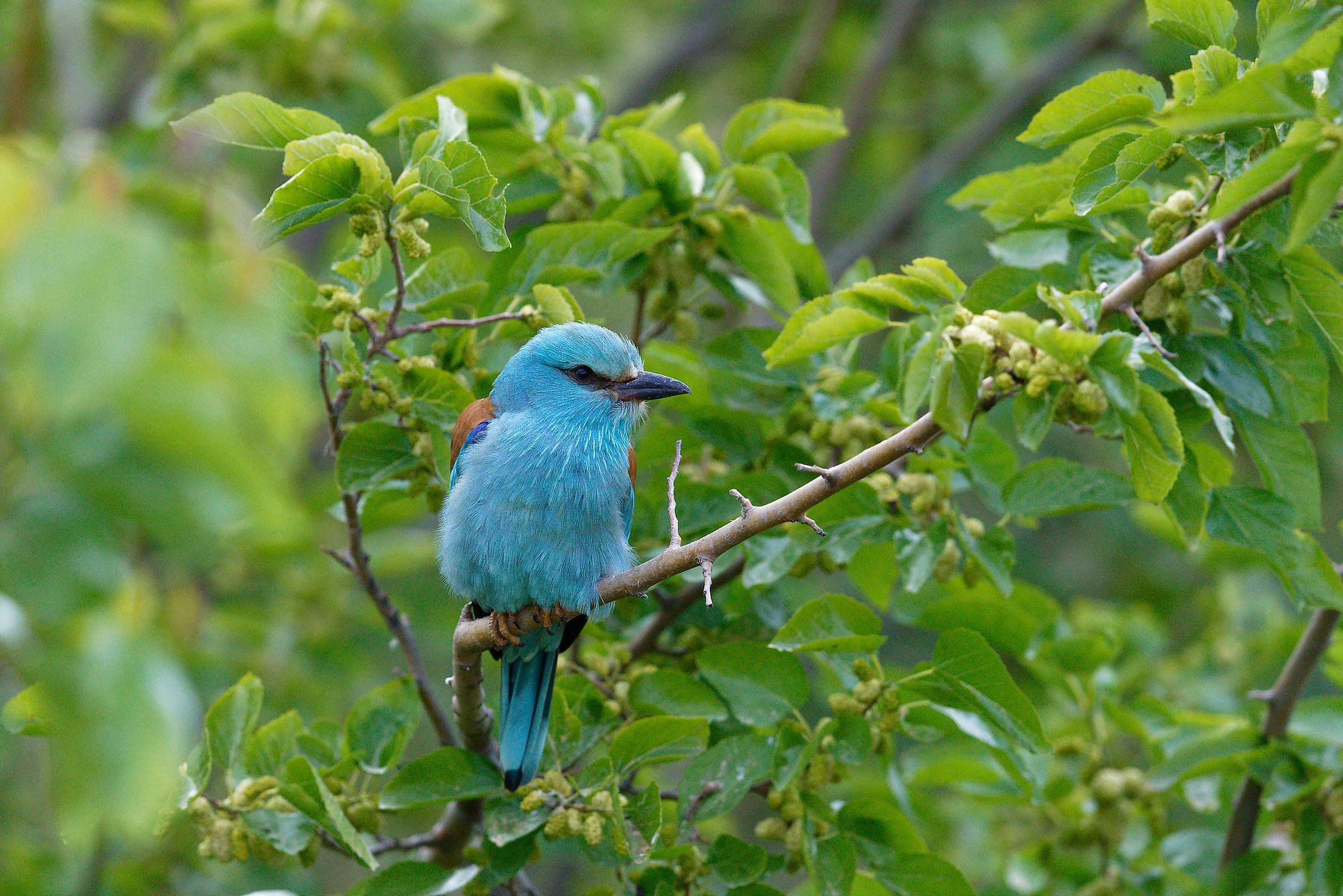
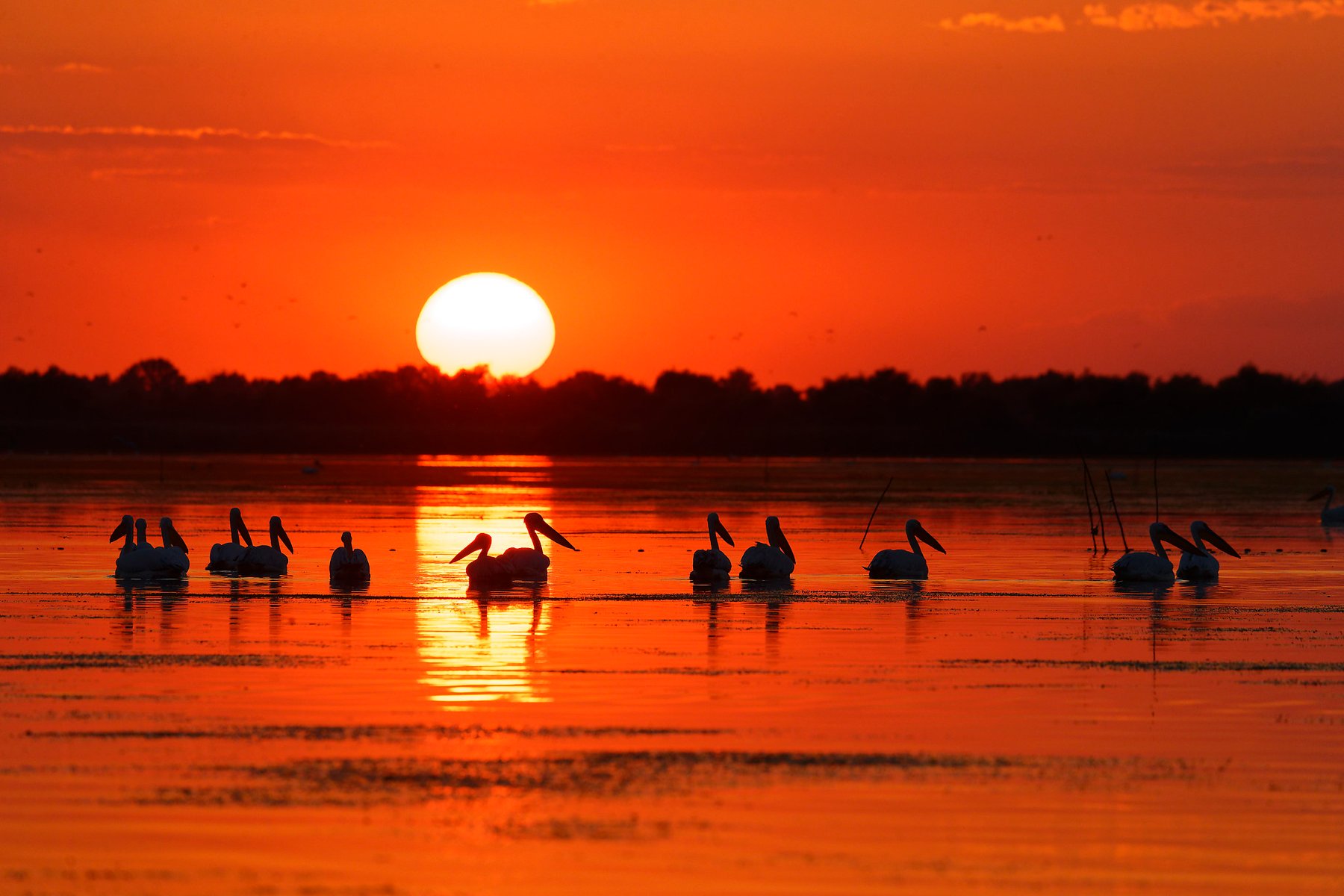
All boat transport in the Danube Delta (small / medium low-profile boats)
Romania's Danube Delta & Carpathian Mountains - 10-Day Wildlife & Birdwatching Tour
Experience Romania's wildest habitats—alpine peaks and wetlands—on a slow-paced expedition designed for birdwatchers, photographers, and nature lovers.
On this exclusive 10-day nature expedition, we’ll explore Romania’s most spectacular landscapes, from the Carpathian Mountains’ rocky ridges to the labyrinth of the Danube Delta and the wild steppes of Dobrogea along the Black Sea coast. Travel in small groups, guided by a biologist, and enjoy ethical birdwatching and authentic encounters with nature and culture.
Destination:
Online Booking for Wildlife tour in Carpathian Mountains, Danube Delta, Dobrogea
Starting from: 2290 € per person.
Balance: due before departure (invoice and payment deadline provided after booking)
Availability:
Places available
Deposit: €600 to reserve your place
€600,00
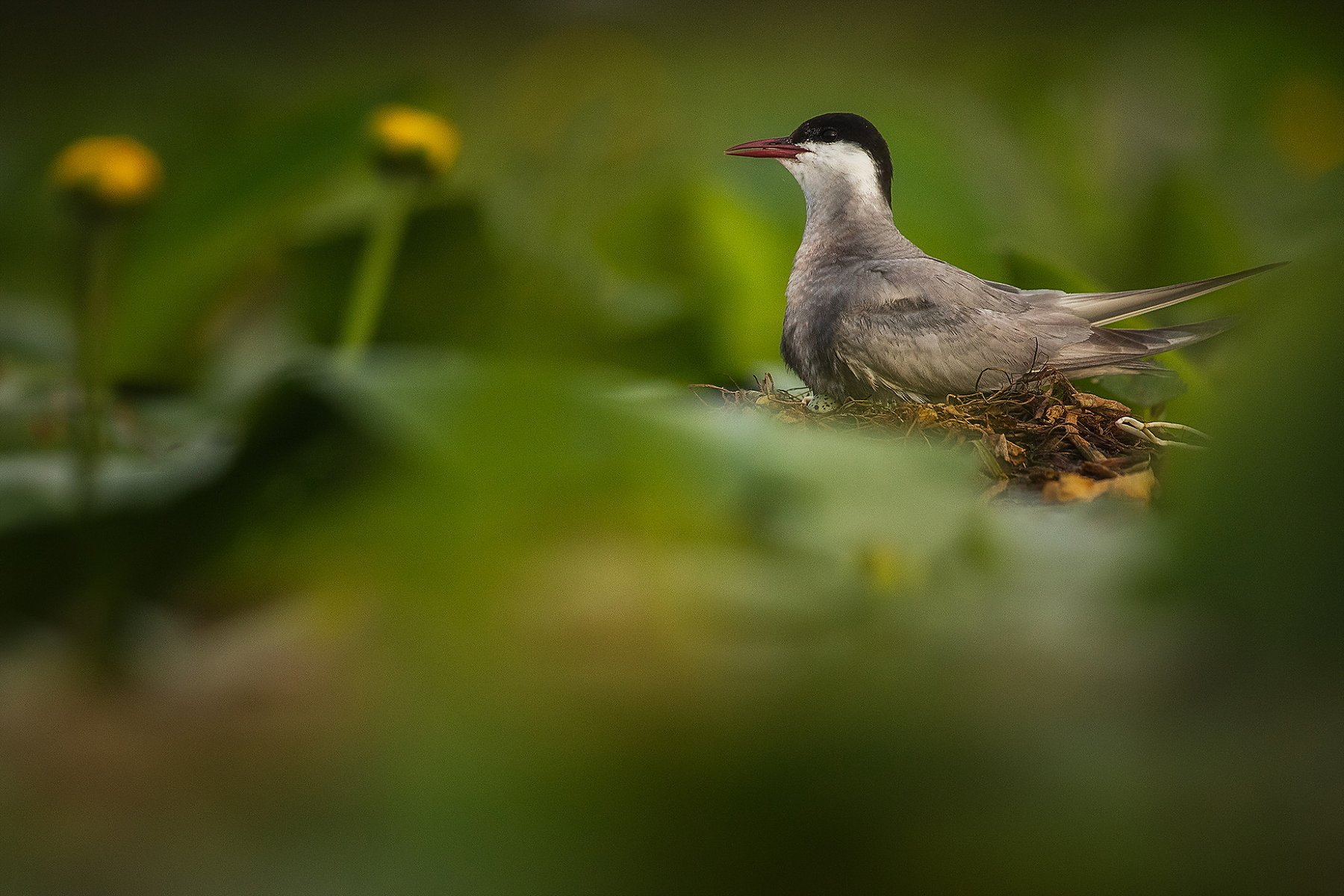
Carpathian Mountains, Danube Delta, Dobrogea
This two-centre nature holiday takes you through some of Romania’s most contrasting and captivating landscapes – the wild Carpathian Mountains, the Black Sea coast, and the Danube Delta, one of Europe’s most valuable wetlands.
We begin in Transylvania, where high rocky peaks rise above dense spruce forests, searching for mountain species such as the Wallcreeper and Nutcracker, and, with luck, glimpsing the Brown Bear in its natural habitat. Then we journey to the Danube Delta – a UNESCO Biosphere Reserve, larger than both Coto Doñana and the Camargue combined. From the comfort of a low-profile boat, we’ll navigate a labyrinth of channels and lakes, surrounded by pelicans, herons, and other waterbirds in extraordinary numbers.
Our expedition concludes with two days exploring the steppes and marshes of Dobrogea, adjacent to the Black Sea coast, home to unique flora and birdlife, including Levant Sparrowhawk and Sombre Tit.
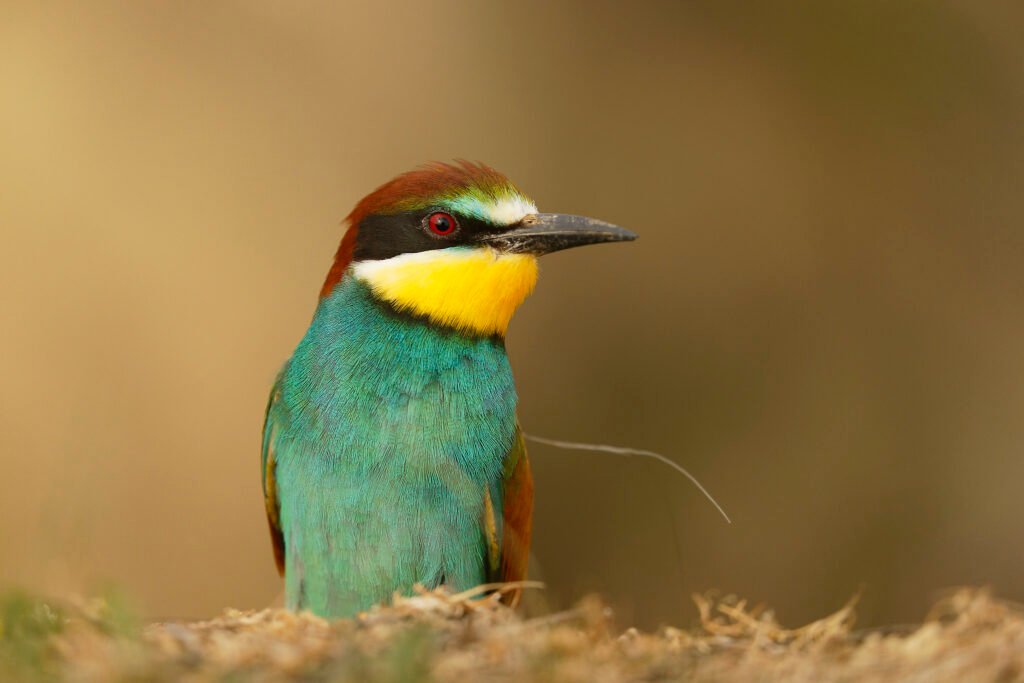

Florin Stavarache
Biologist, ornithologist, local guide, and wildlife photographer with over 20 years of experience in the Danube Delta.
Florin doesn’t just lead tours-he curates ethical expeditions. He knows every corner, every species, and the exact moment to pause for observation. He navigates by instinct, not GPS, synced with nature’s rhythm.
Day-by-Day Itinerary
Find out how the days will unfold and which activities make up the experience.
Day 1 - Arrival in Romania and transfer to the Carpathians
Meet your guide at Bucharest Otopeni Airport (OTP) and travel north to Zarnesti (about 2.5-3 hours), near Piatra Craiului National Park.
This region is known for mountain birds and large carnivores such as the brown bear, wolf, and lynx.
Dinner and overnight in Zarnesti or the nearby village of Magura.
Day 2 - Zarnesti Gorges and medieval Transylvania
After breakfast, birdwatch in the spectacular Zarnesti Gorges (Piatra Craiului National Park), walking through spruce, fir, and beech habitats.
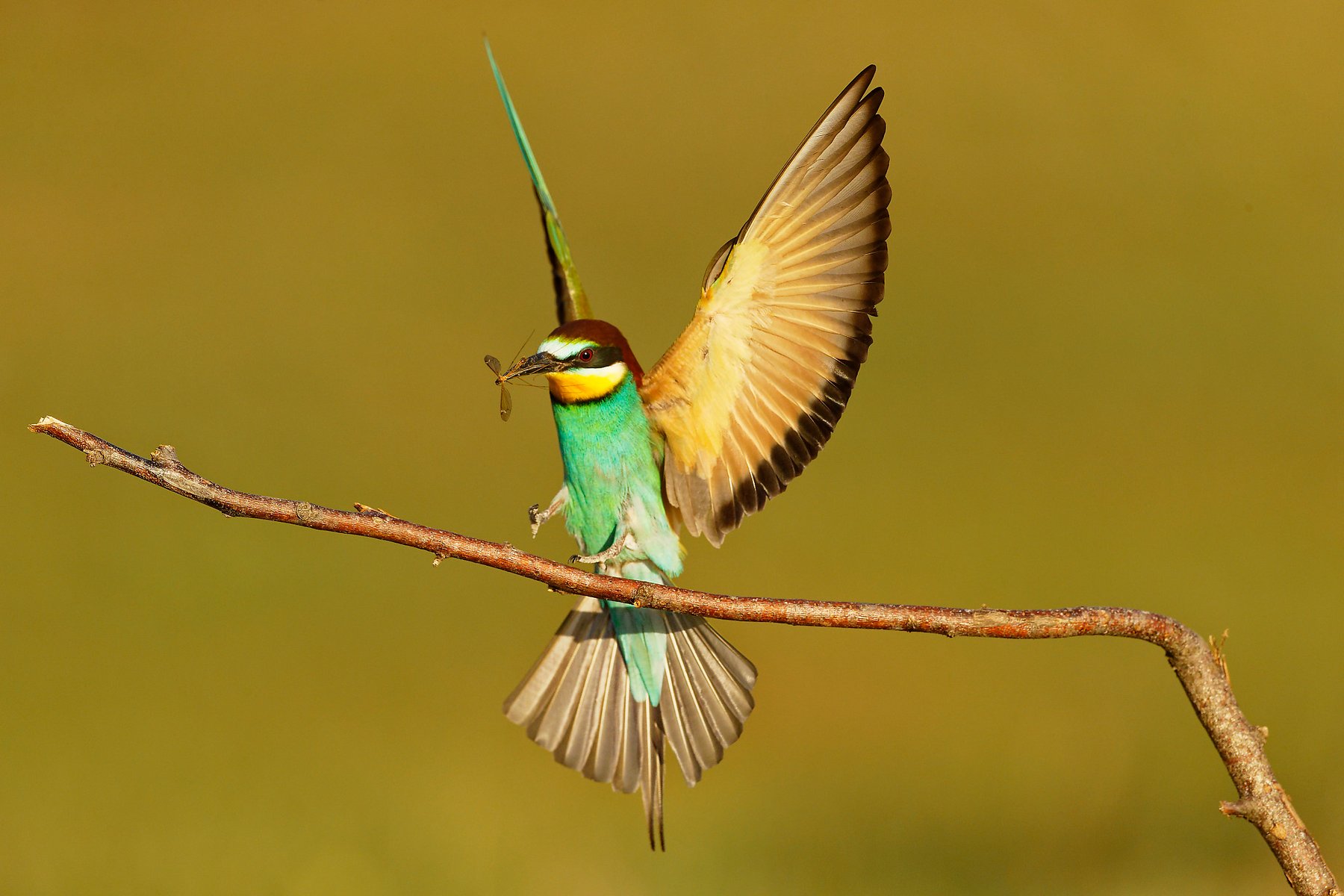
Possible species include wallcreeper, treecreeper, alpine swift, crag martin, serin, crossbill, black woodpecker, white-backed woodpecker, and honey buzzard.
In the afternoon, visit Bran Castle or Rasnov Fortress.
Dinner and overnight in the same mountain guesthouse.
Day 3 - Stramba Valley and evening bear hide
Gentle morning walk along the forest edge to Coltul Chiliilor, with flower-rich meadows and forest glades.
Birding may include ural owl, nutcracker, three-toed woodpecker, black woodpecker, great spotted woodpecker, and mountain passerines.
In the evening, head to a remote bear hide for a good chance to observe brown bears from a purpose-built wooden shelter.
Dinner and overnight at the same guesthouse.
Day 4 - From the Carpathians to the Danube Delta
Travel east toward the Danube Delta with birdwatching stops en route.
Highlights may include an exterior view of Peles Castle and a visit to the mud volcanoes reserve.
Arrive in Mila 23 Village in the evening, enjoy a welcome dinner, and overnight at Casa Vanessa ***.
Days 5-6 - Exploring the Danube Delta by boat.
Two full days (within a three-day Delta block) exploring channels, lakes, reedbeds, willow forests, and bird colonies by small boat in one of Europe’s top birdwatching destinations.
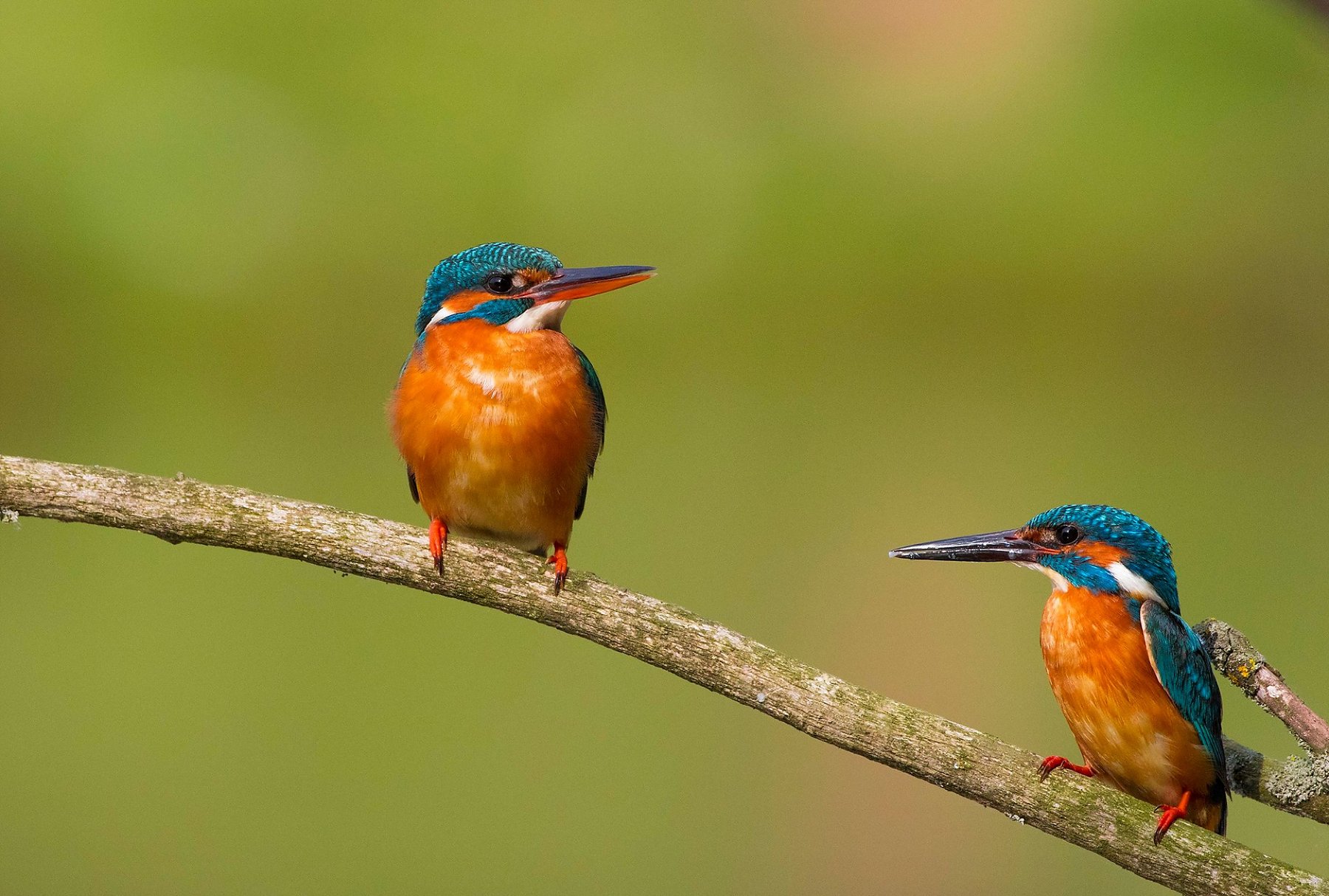
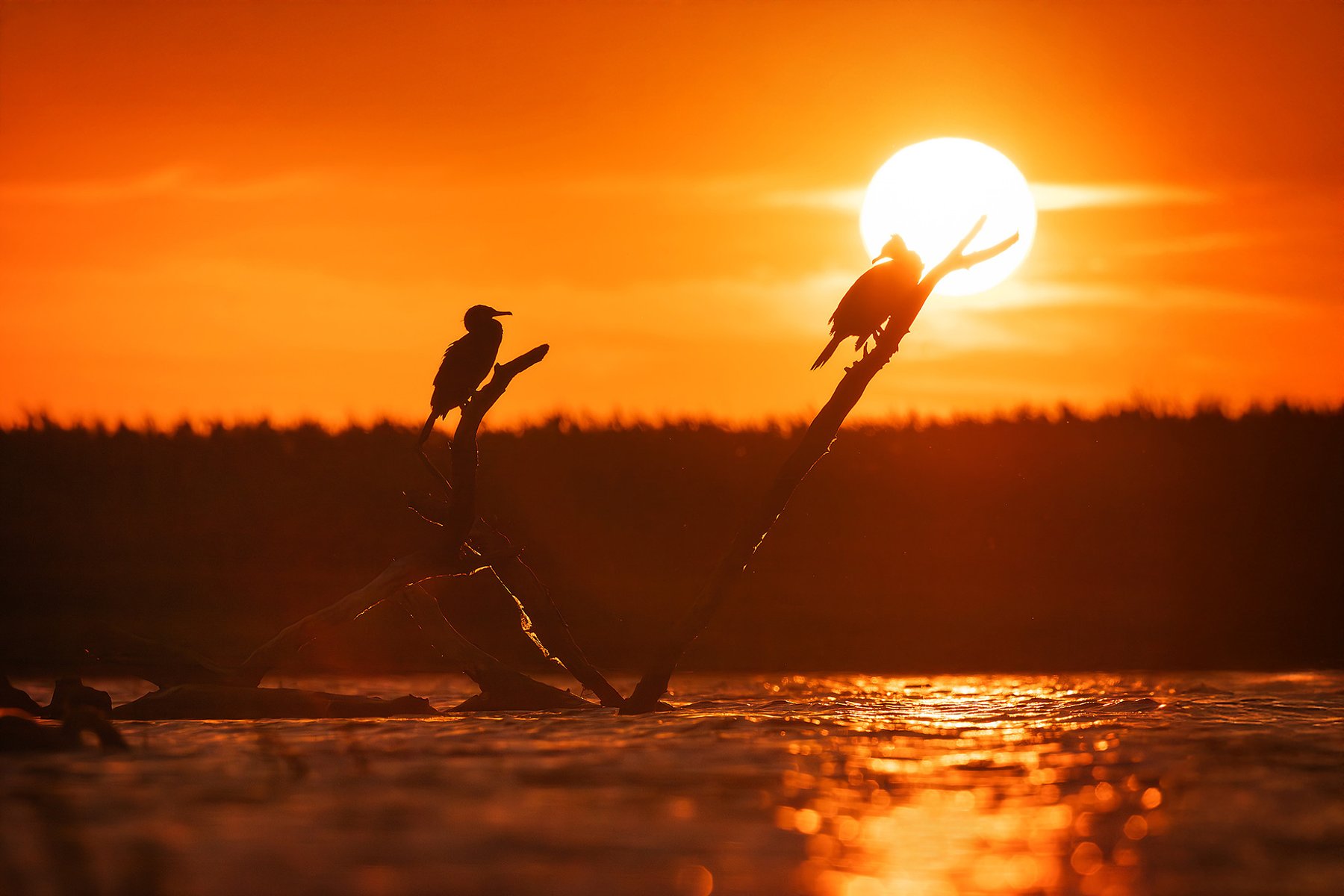
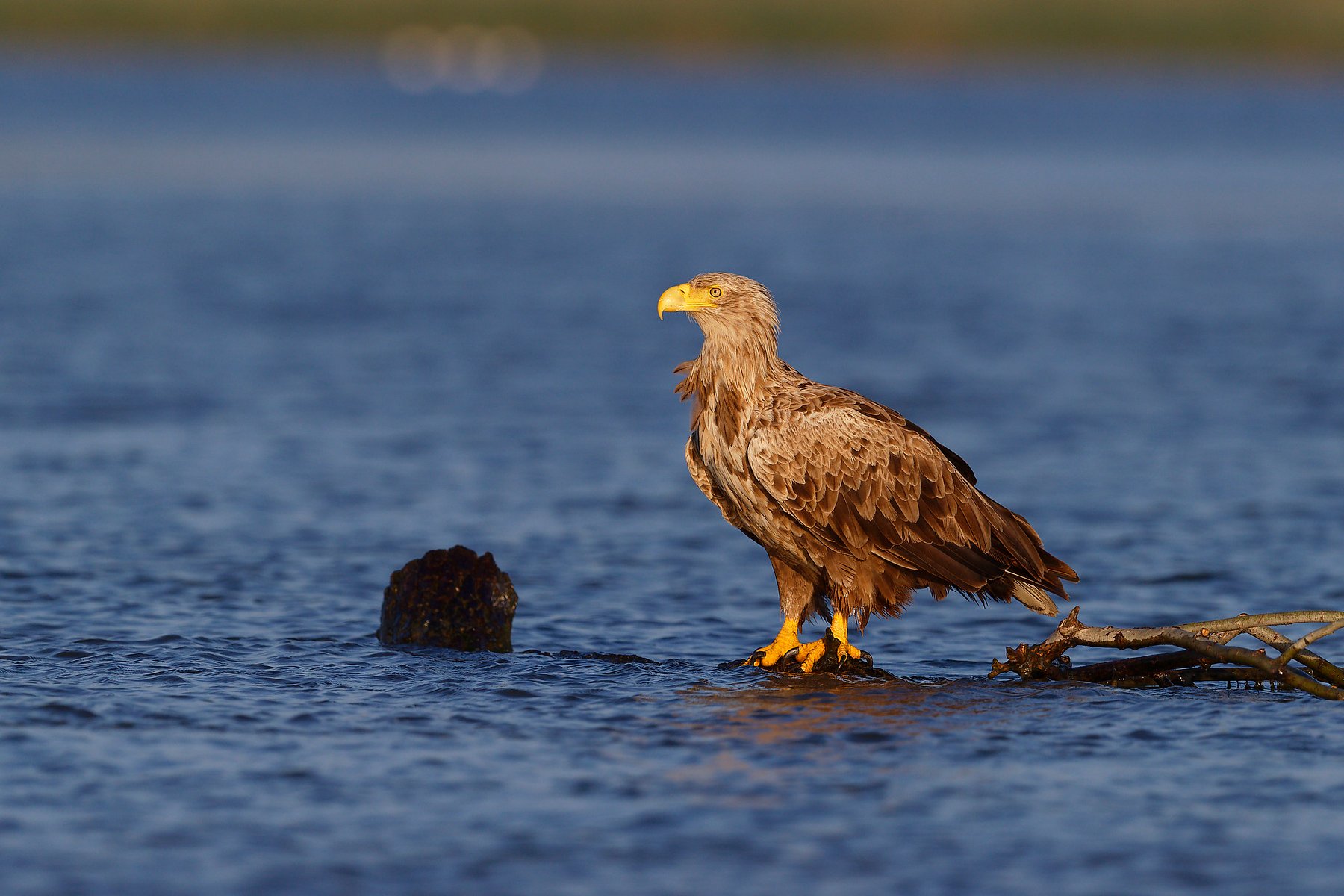
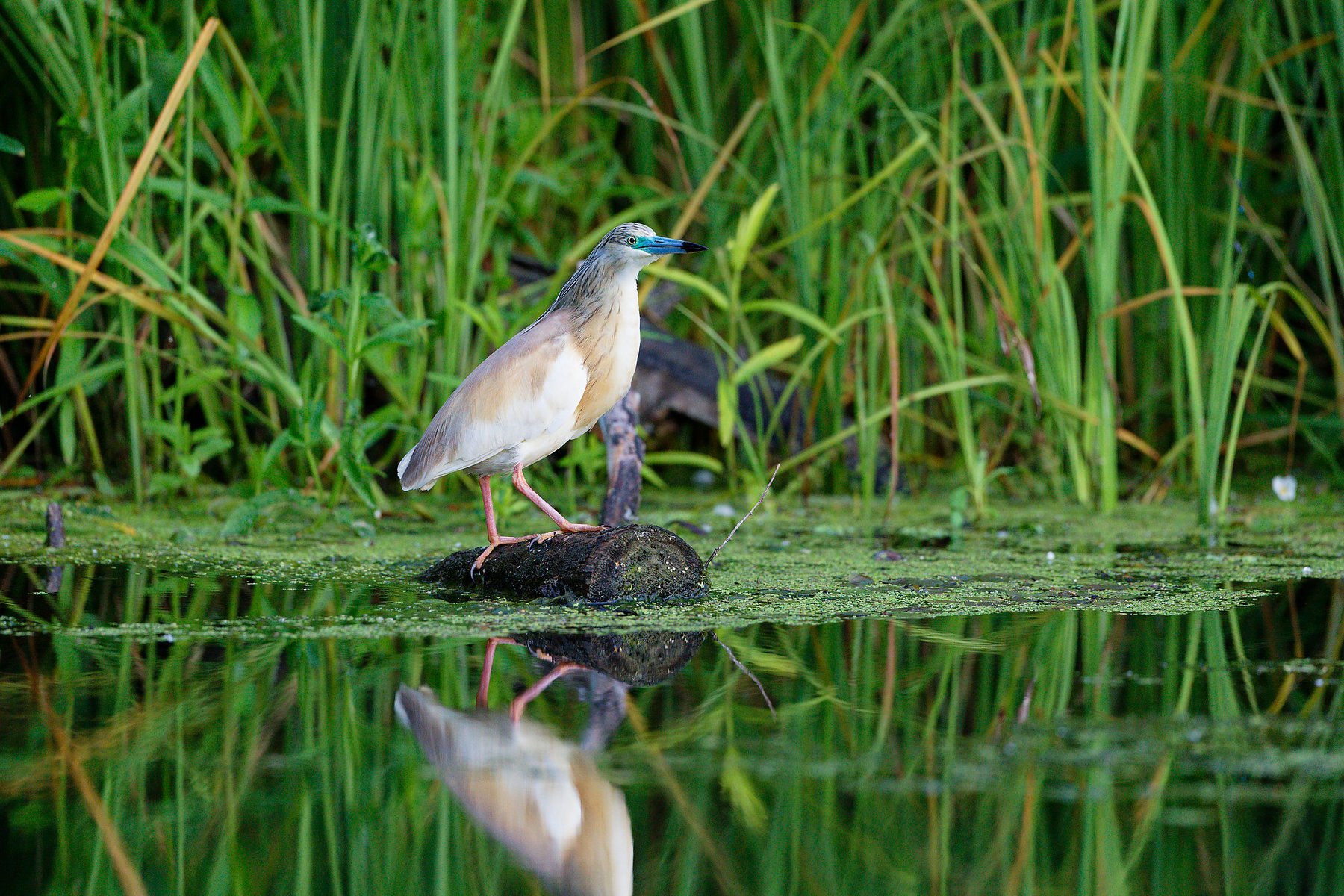
Expected species include white and dalmatian pelicans, pygmy and great Cormorants, night/purple/squacco herons and great Egret, little bittern, kingfisher, penduline tit, shorebirds such as common sandpiper, green sandpiper, greenshank, and raptors such as marsh harrier, red-footed falcon, and white-tailed eagle.
One day includes Letea Forest (strictly protected oak woodland on maritime sand dunes) and traditional villages such as Letea.
Dinner and overnight at Casa Vanessa ***, Mila 23.
Day 7 - Final Delta birding and return to Tulcea
After breakfast, enjoy a final boat excursion to search for missed species. After lunch, return to Tulcea.
Dinner and overnight at a 3-star hotel in Tulcea.
Day 8 - Dobrogea forests, lakes and Black Sea coast
Explore Babadag Forest, the Sinoe-Razelm lake complex, and the Histria salt marshes and coast.
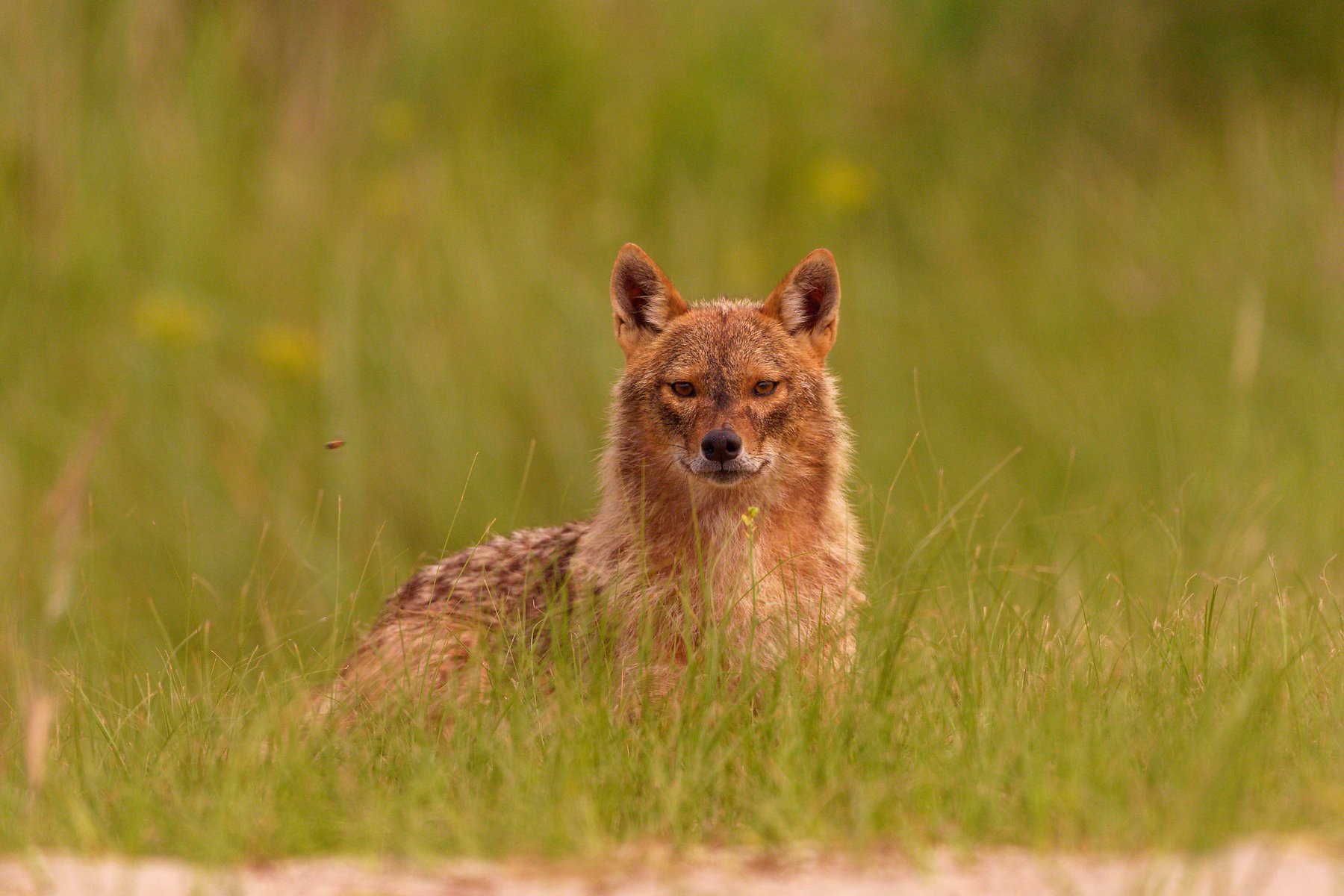
Potential birds include woodpeckers, hawfinch, honey buzzard, imperial eagle, herons, ducks, Acrocephalus warblers, balkan yellow wagtail, waders, collared pratincole, and kentish Plover.
Walk to the ancient Greek-Roman port of Histria. Dinner and overnight in Tulcea.
Day 9 - Macin Mountains National Park
Start with a panoramic viewpoint over the Delta from Parches, then explore the Macin Mountains – Romania’s oldest range, rich in endemic plants, insects, and birds.
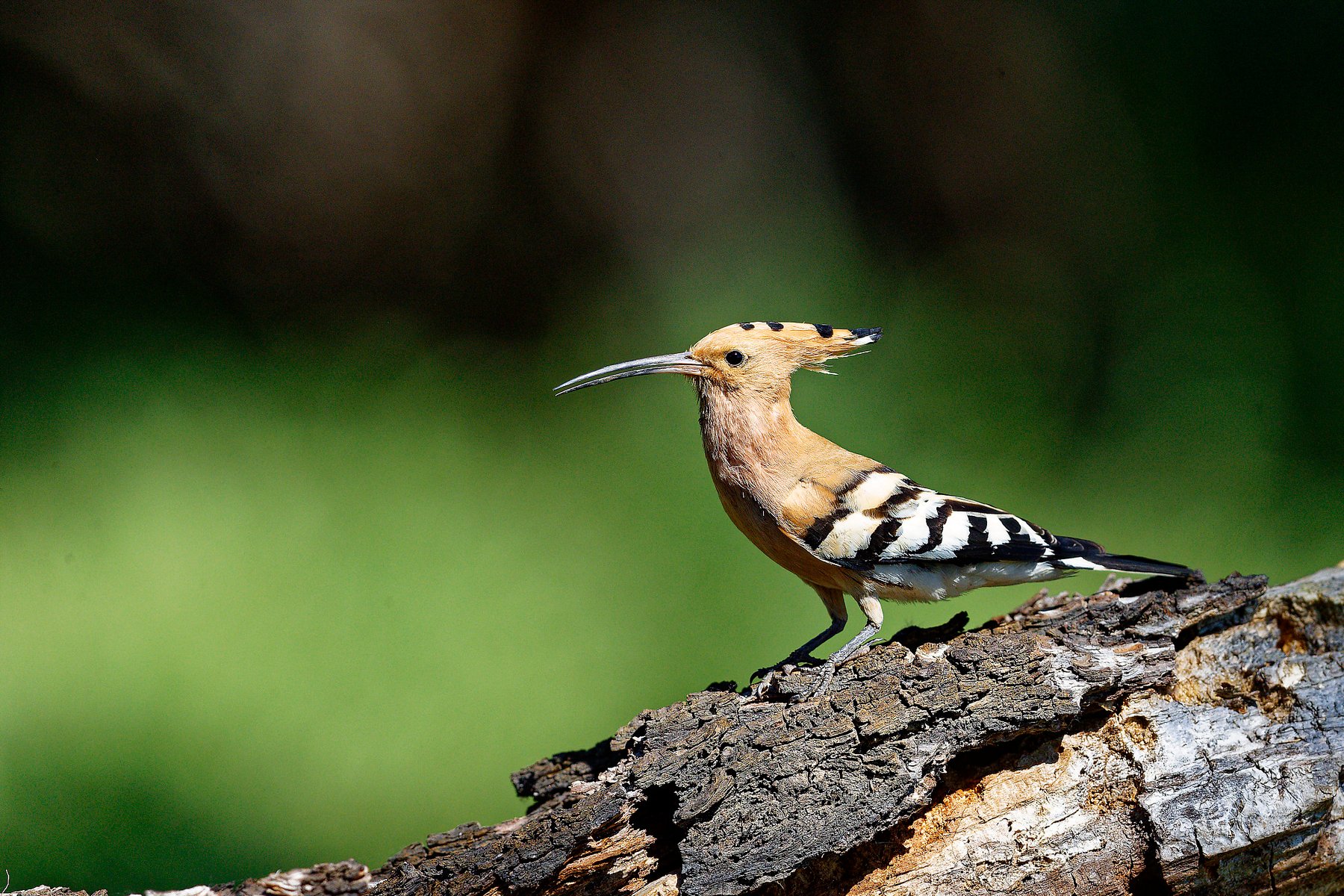
Target species may include long-legged buzzard, isabelline wheatear, rock thrush, ortolan bunting, hoopoe, short-toed eagle, booted eagle, levant sparrowhawk, red-rumped swallow, and sombre tit. With luck, the eastern imperial eagle or saker falcon may also be seen.
Dinner and overnight in Tulcea.
Day 10 - Return to Bucharest
Early departure from Tulcea to Bucharest (about 4-4.5 hours, with a coffee stop).
The tour ends at Otopeni Airport around 13:00, suitable for late-afternoon or evening flights.
Optional photography note
Because the landscapes are spectacular, guests who carry a camera can take travel and wildlife images during the tour.
Drone use is only possible where legal, authorized, and ethically appropriate, and is not a core activity of this birdwatching program.
Photographic activities
This expedition is designed for travellers who value genuine birdwatching over rushed checklists, combining mountain forests, alpine crags, vast wetlands, reedbeds, steppe, and coastal habitats in a carefully paced itinerary.
Observation, habitat context, and the enjoyment of time spent in the field with a local ornithologist guide are all strongly emphasized.
You can expect early mornings on key days, flexible stops when bird activity is high, and a varied natural history experience that may also include mammals, flowers, insects, and elements of traditional local culture.
Logistics & Highlights
- Observe Wallcreeper, Nutcracker, and other spectacular mountain bird species in the Carpathian Mountains
- Optional evening bearwatching in Piatra Craiului National Park
- Three full days exploring the Danube Delta by small boat for intimate wildlife encounters
- Witness huge colonies of Night Heron, Purple Heron, Pygmy Cormorant, and Glossy Ibis
- Spot migrating waders and terns in spring and autumn
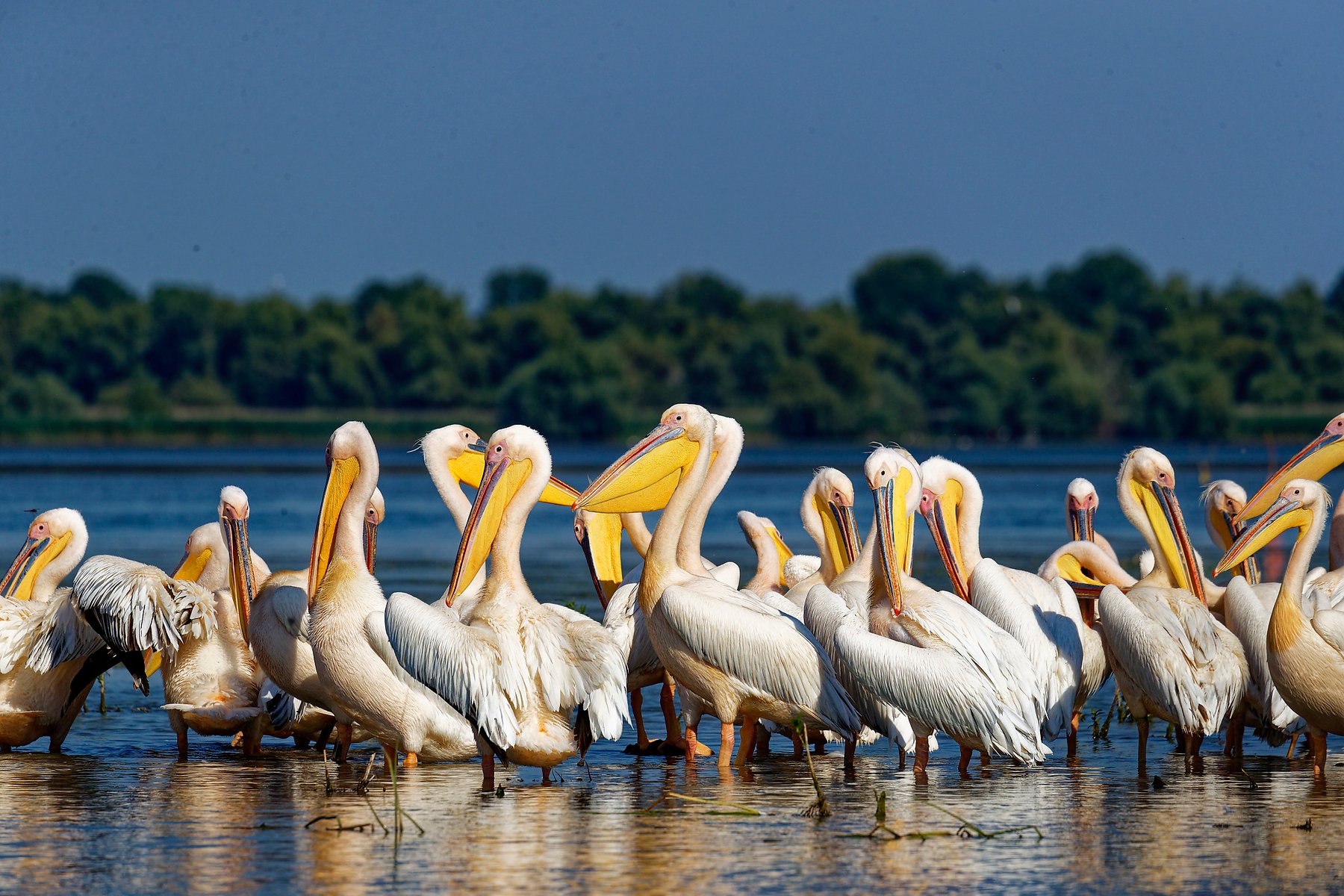
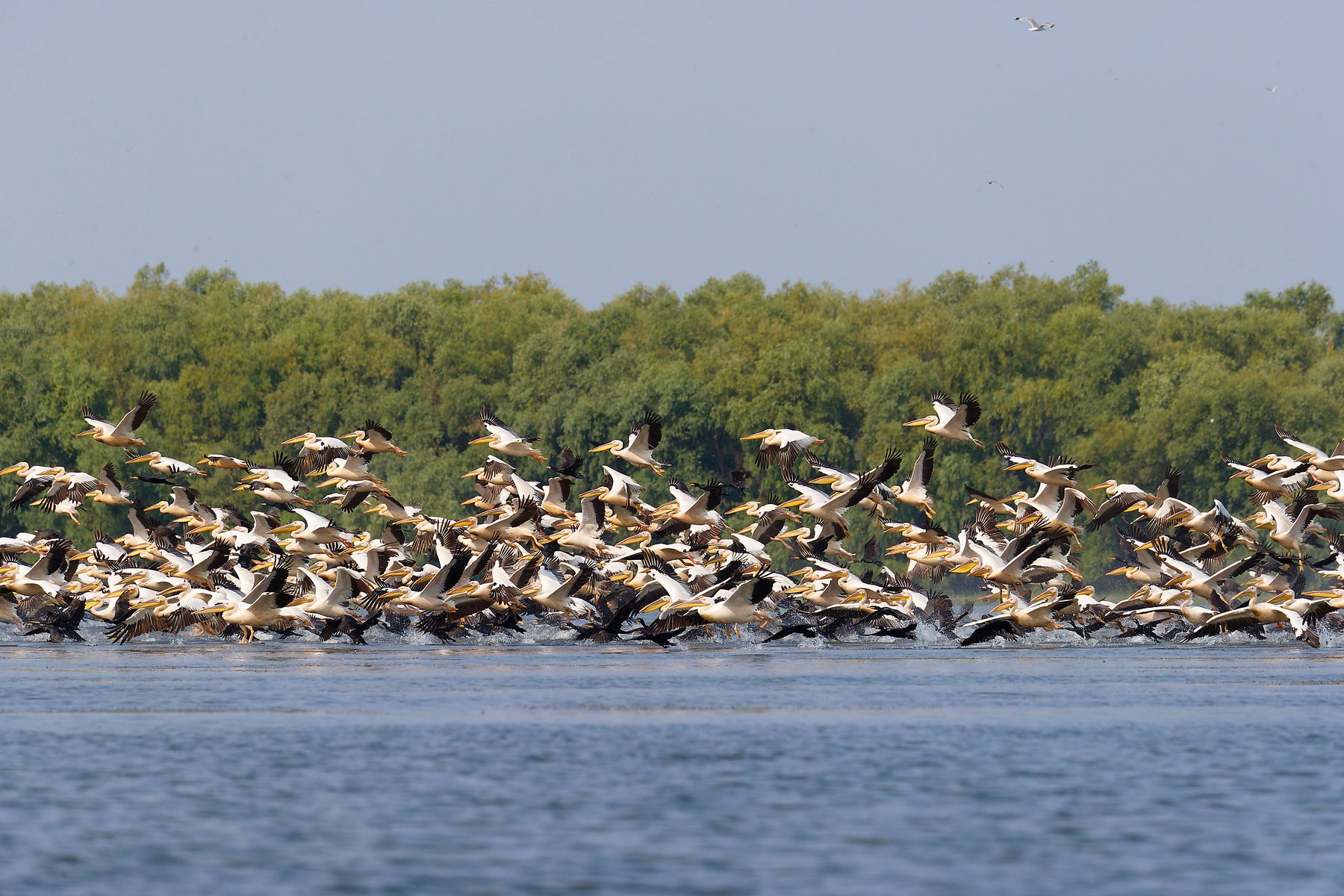
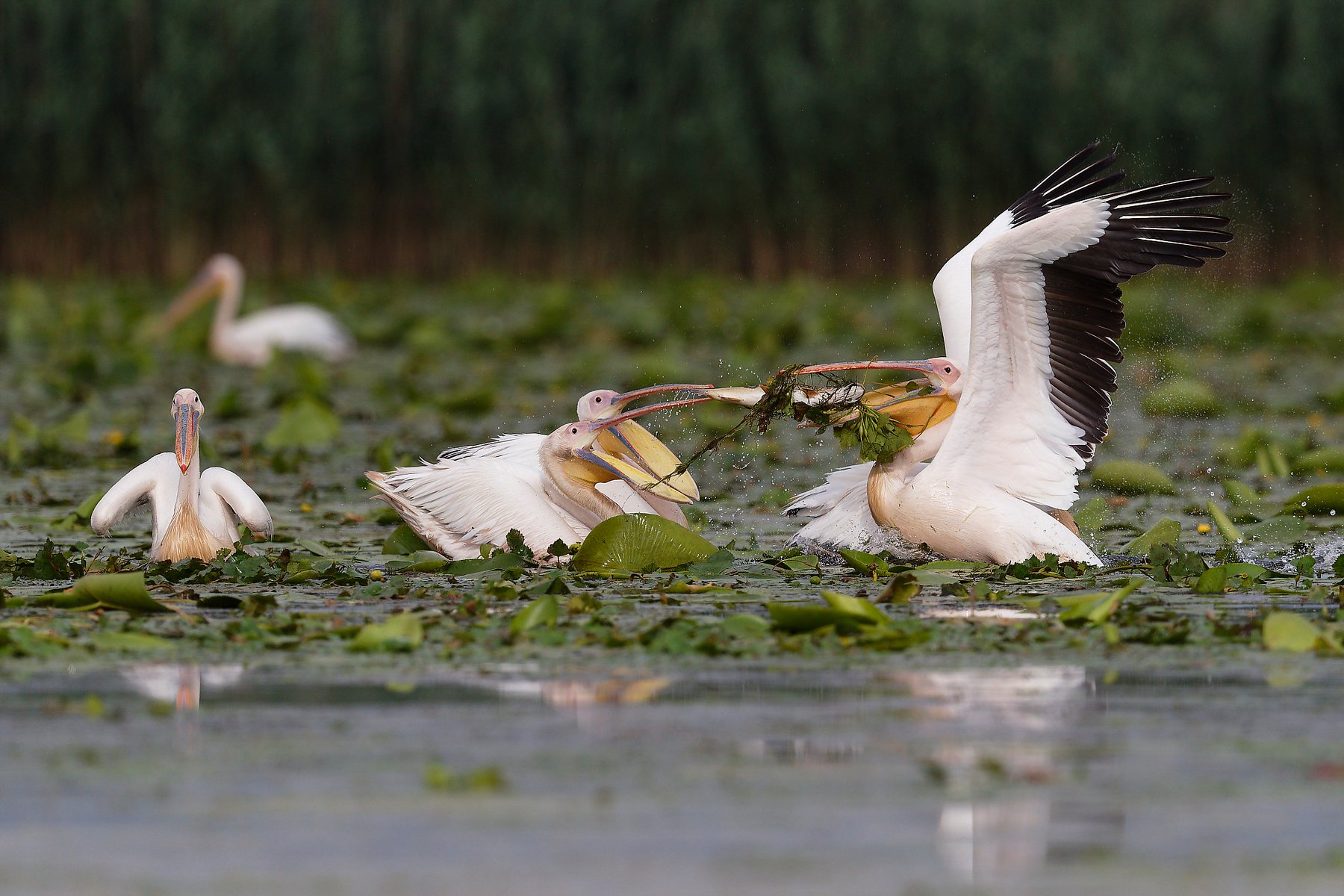
- See majestic Dalmatian Pelicans and White Pelicans in their natural habitat
- Search for eastern specialties such as Levant Sparrowhawk and Isabelline Wheatear
- Combine birdwatching and botany on the Babadag Plateau and in the Măcin Mountains
- Enjoy the guidance of a passionate and expert naturalist guide
Optional photography opportunities during birdwatching sessions
- Danube Delta boat sessions offer excellent opportunities for habitat scenes, pelicans, herons, cormorants, eagles, and traditional village landscapes.
- The Carpathian and Dobrogea days are well suited to documentary travel images, landscape photography, and opportunistic bird or mammal shots.
- The guide can suggest respectful shooting distances and ethical behaviour, especially near colonies and sensitive species.
Suggested optional camera setup
- A lightweight telephoto zoom lens (for example, 100–400mm or 100–500mm) is usually sufficient for most guests.
- A standard zoom or wide-angle lens is useful for landscapes, villages, and habitat images.
- Bring spare batteries and protection against boat spray or light rain.
Guests who bring cameras will have opportunities to capture images along the way, but the route is designed first and foremost for high-quality birdwatching and habitat diversity.
Difficulty
Overall difficulty: easy to moderate. Most walks are easy and on relatively flat terrain. Sturdy waterproof walking shoes are recommended. Optional moderate hike in the Carpathian Mountains may include uneven paths and gentle inclines. Early starts and extended time outdoors are part of the experience.
Modality
Birdwatching is the main focus of the tour, enjoyed through boat excursions, ground transport, and easy to moderate walks across the Carpathians, the Danube Delta, and Dobrogea. While photography opportunities are available throughout the journey, birdwatching remains at the heart of the experience.
Accommodation
- Comfortable 3-4 ★ hotels/guesthouses, all rooms en suite
- Carefully selected partners with good food, friendly hosts and locations ideal for wildlife photography and birdwatching
Room policy
To guarantee privacy and comfort, we do not arrange room shares between separate bookings. Solo travellers are required to book a single room (single supplement applies).
The Lodges
We stay in carefully selected guesthouses that match the spirit of the expedition: authentic, comfortable, and close to the action. Expect clean en‑suite rooms, warm hospitality, and hearty local meals. Single rooms are available on request (subject to availability) with a supplement.
Meals
- Breakfast and dinner included in the price (locally sourced soups, fish, meat, vegetables and traditional dishes)
- We can cater for most dietary requirements if informed in advance
- Optional lunch: €15-25 per person (paid on the spot in cash – RON or EUR)
What's included
What's not included
Learn more about your experience
Romania is one of Europe’s most rewarding destinations for nature lovers, where an extraordinary range of landscapes supports an equally remarkable diversity of wildlife. From the alpine ridges of the Carpathians to the vast wetlands of the Danube Delta, and from ancient forests to the open steppes of Dobrogea, this is a country of striking contrasts and exceptional natural richness.
Positioned along the western shore of the Black Sea, Romania also lies on one of Europe’s most important migratory routes, linking northern breeding grounds with wintering areas in the Mediterranean, Africa, and beyond.
The Danube Delta & the Carpathians
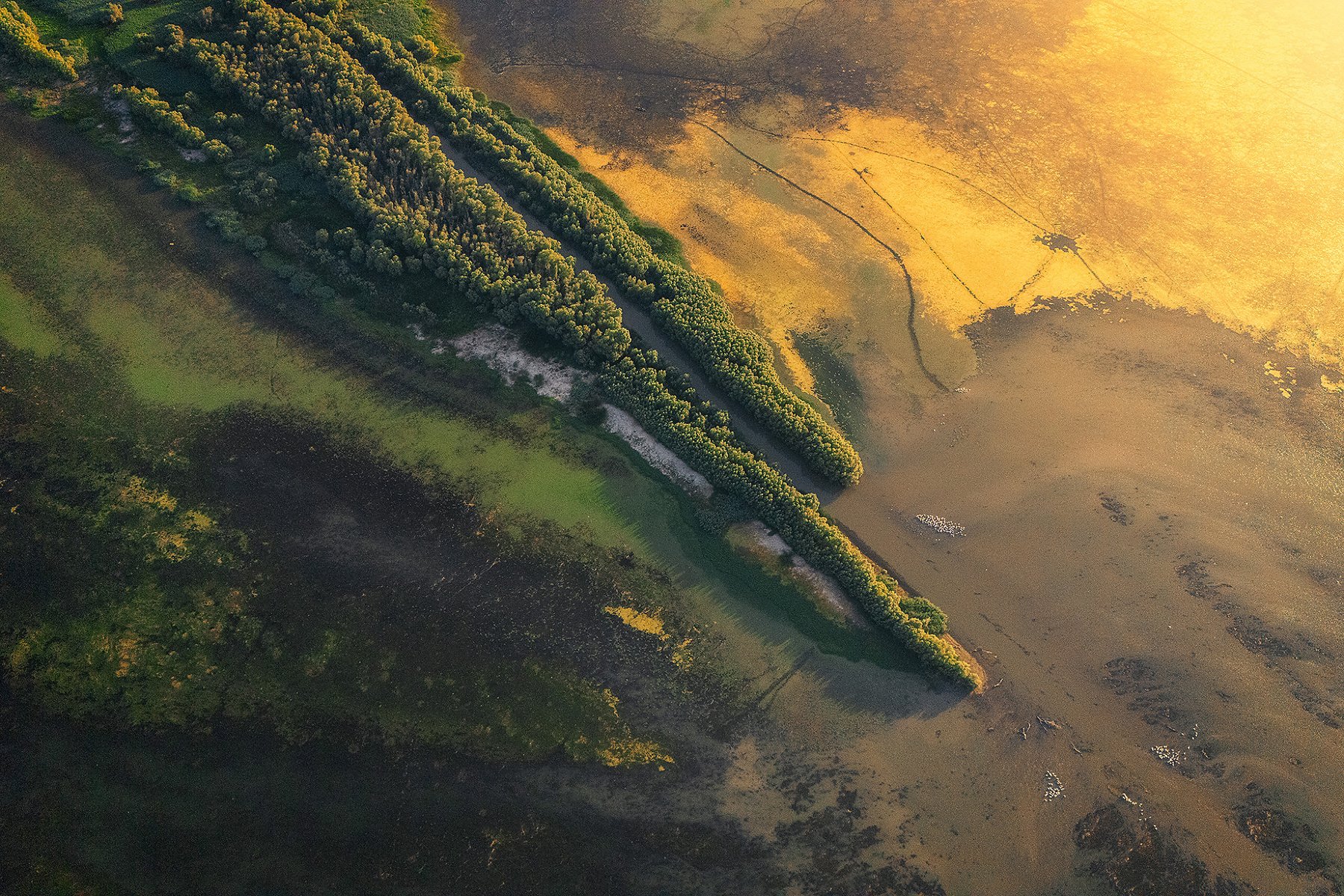
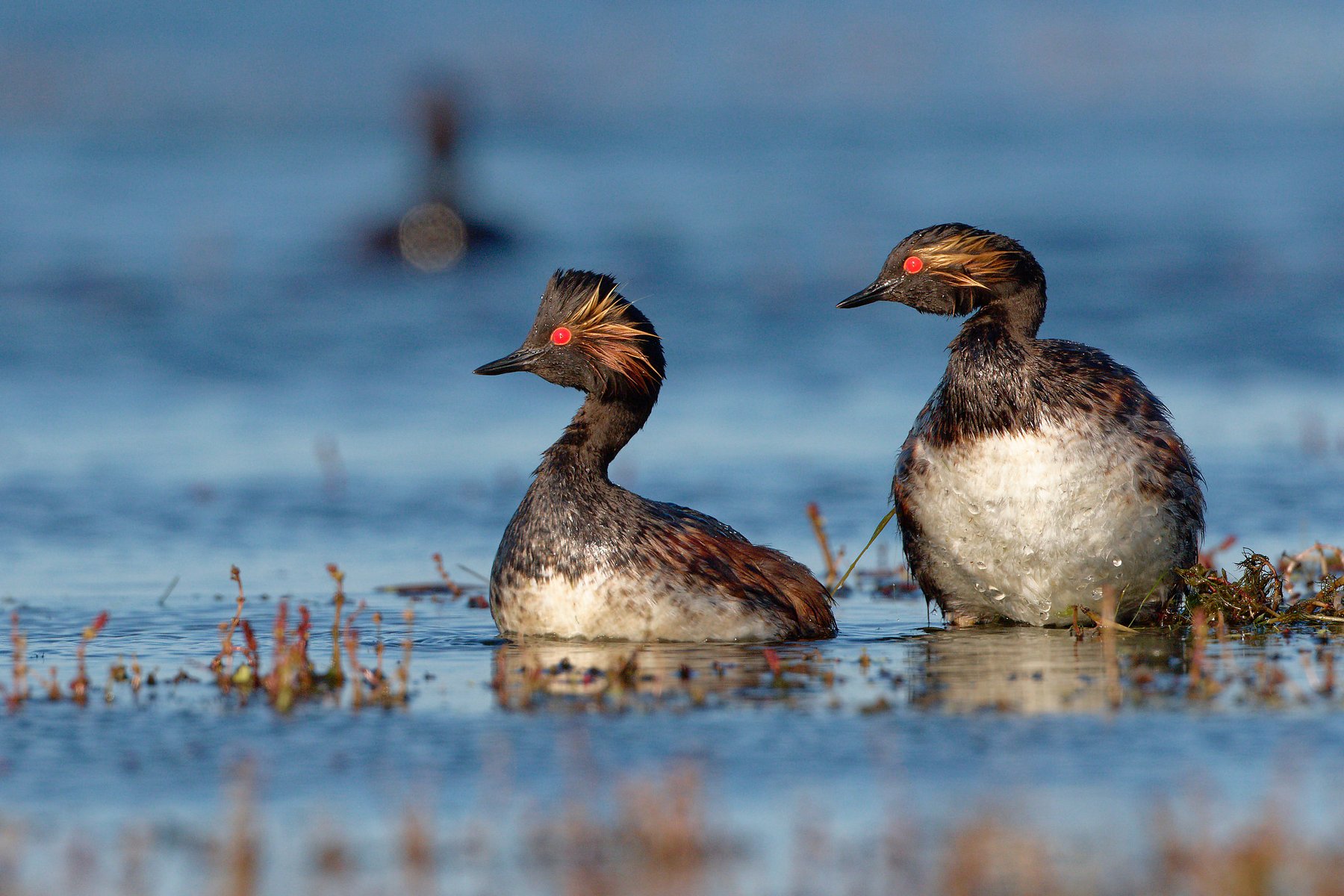
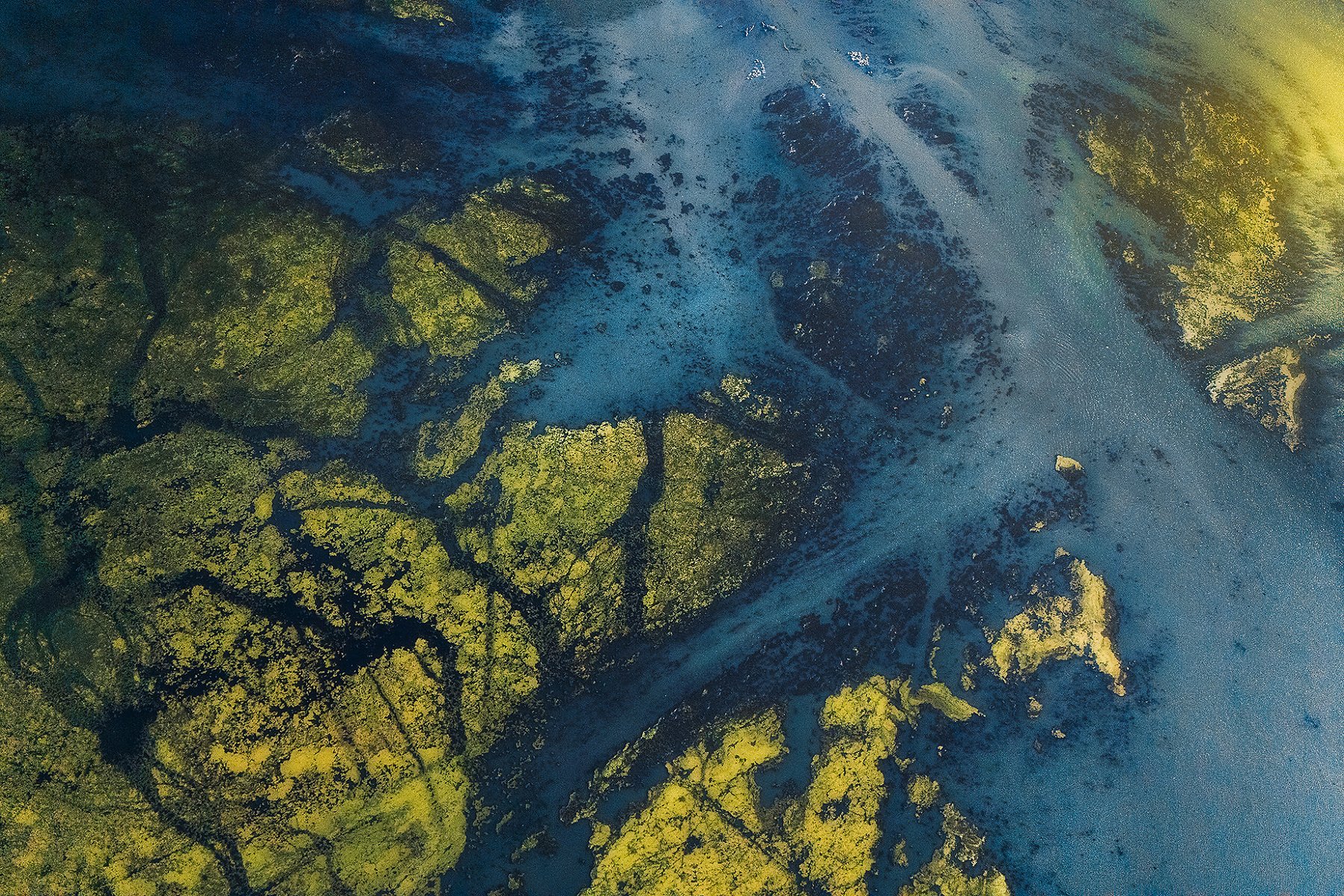
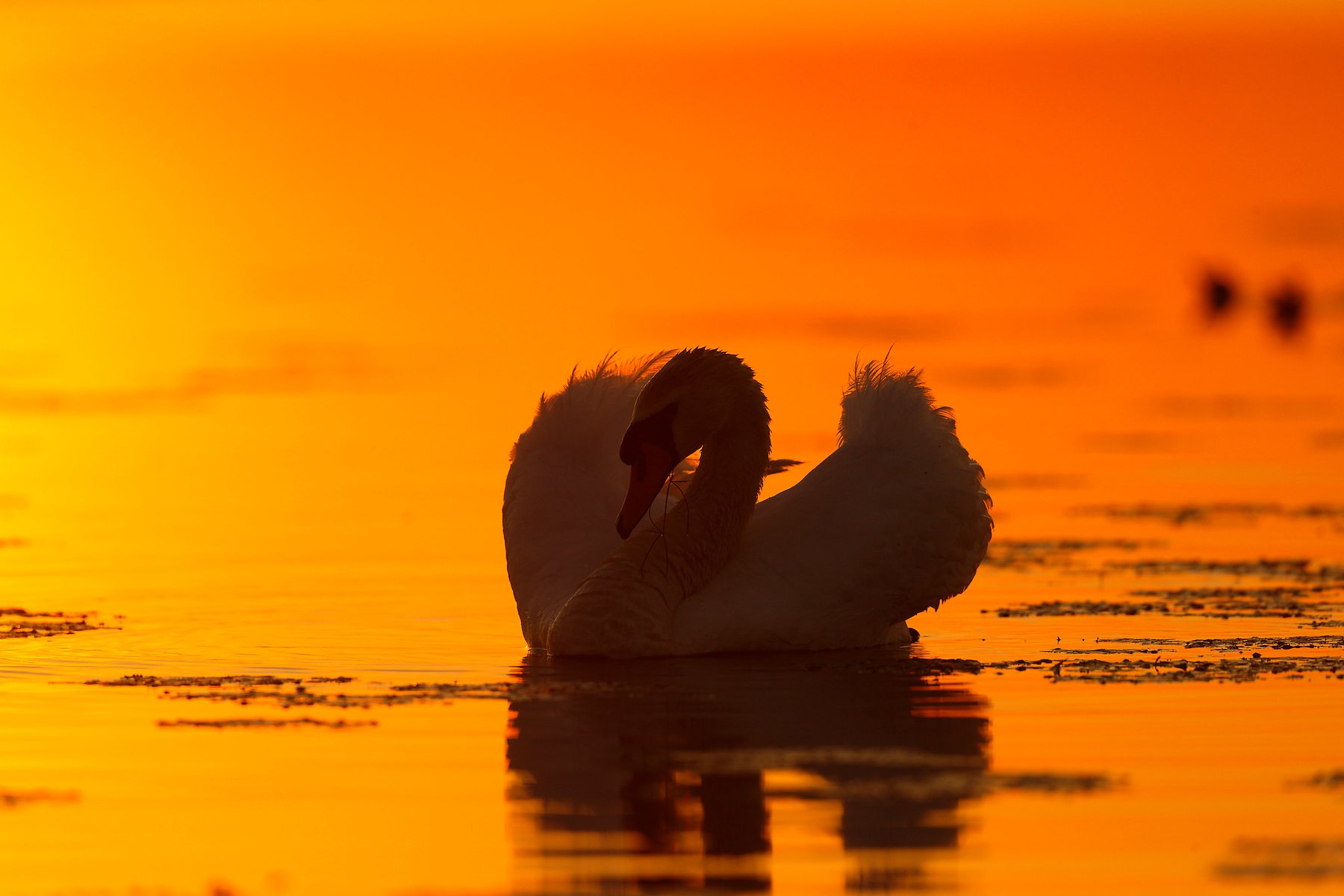
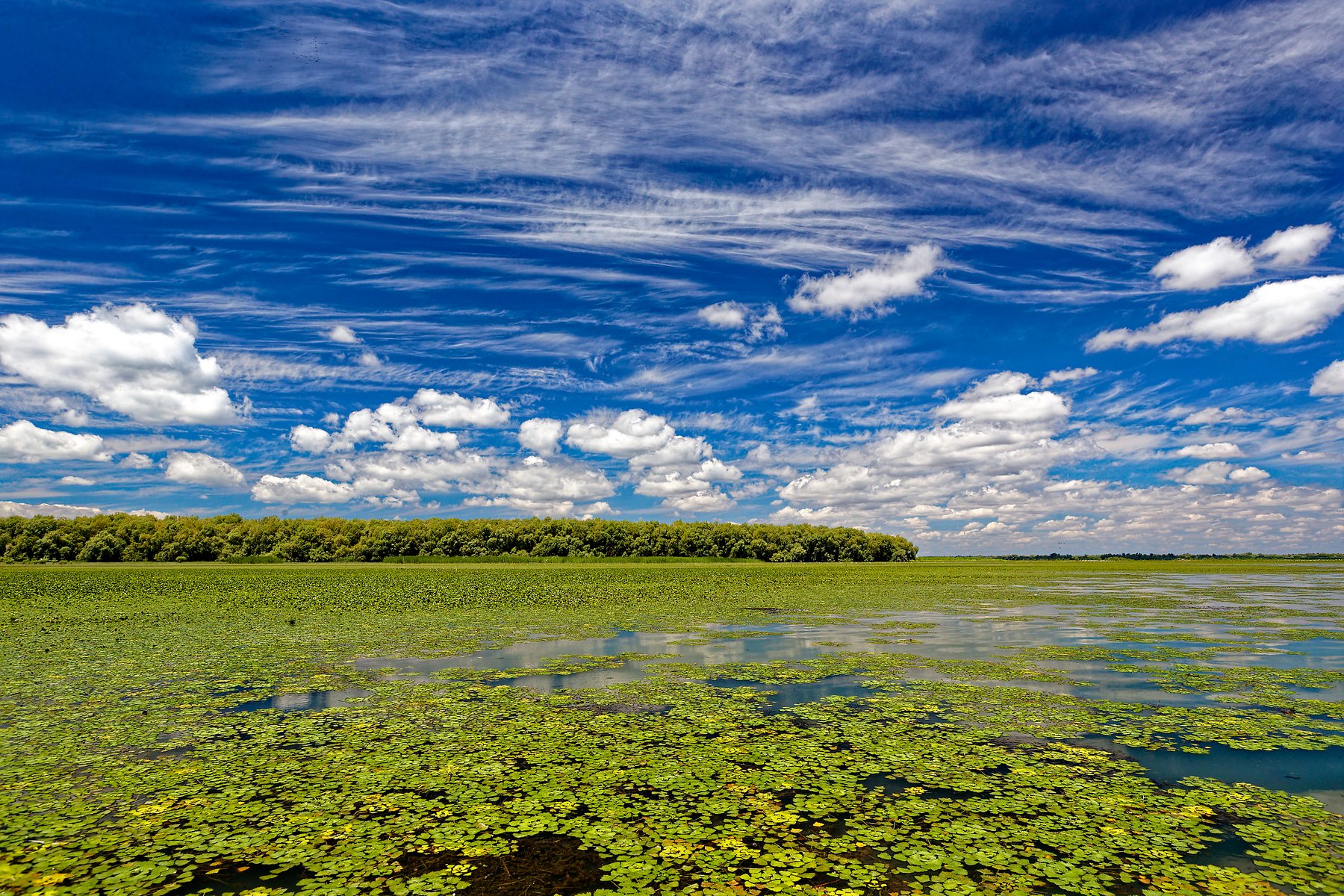
Around 90 km before reaching the Black Sea, the Danube divides into three main branches, creating a vast wetland of reedbeds, shallow lakes, floating vegetation, and forested islands. Covering some 3,000 square kilometres, the Danube Delta is one of the most important bird habitats in Europe, supporting impressive breeding colonies of herons, cormorants, ibis, pelicans, grebes, terns, ducks, geese, and white-tailed eagles.
In contrast, the Carpathian Mountains offer a completely different atmosphere: rugged limestone ridges, alpine meadows, and deep beech and spruce forests. Together, these two regions create a journey through some of Romania’s most iconic and biodiverse natural landscapes.
From mountains to wetlands
Our journey begins at Bucharest Airport before continuing to Zărnești, in the heart of the Transylvanian Carpathians. Based in a charming guesthouse, we explore pine woods, rocky cliffs, and mountain meadows in search of species such as woodpeckers, nutcrackers, black redstarts, and wallcreepers. In the evenings, there may also be opportunities to observe brown bears or wolves as they emerge from the forest edge.
After two full days in the mountains, we travel east to Tulcea, the gateway to the Danube Delta. From our base in Mila 23, we set out by boat to explore narrow channels, open lakes, reedbeds, remote islands, and traditional fishing villages. Each habitat brings new species and new encounters, but among the most unforgettable moments are the great movements of pelicans, herons, and cormorants flying to and from their breeding colonies.
Dobrogea & the Black Sea coast
The final part of the tour takes us into Dobrogea, a region of remarkable habitat diversity where marshes, steppe, woodland, rocky hills, and coastal lagoons meet. Along the Black Sea coast and around Lake Sinoie, we look for migrating waders, breeding avocets, pratincoles, and Kentish plovers. Nearby wetlands and forests may also reveal gull and tern colonies, black-winged stilts, Mediterranean gulls, sombre tits, ortolan buntings, and several woodpecker species, while raptors such as booted eagle, Levant sparrowhawk, and even eastern imperial eagle may appear overhead.
On our return to Bucharest, we make carefully chosen stops at bird-rich lakes, bringing the journey to a close with a rich impression of Romania’s birdlife, landscapes, and wild beauty.
Preparation and equipment
Recommended birdwatching gear
- Binoculars (essential).
- Spotting scope (optional but highly recommended if you prefer scanning waterbirds and distant raptors).
- Field guide / bird app and notebook.
- Comfortable daypack.
Bring waterproof and/or non-slip sandals or shoes, a windproof jacket, a sun hat, sunscreen, sunglasses, and insect repellent.
Optional camera gear (not a dedicated photo tour)
- A camera with a telephoto lens (for record shots or travel wildlife images).
- A second lens for landscapes / habitat / village scenes if desired.
- Dry bag or rain cover for boat sessions in the Danube Delta.
Drone note:
Drone use is permitted only with authorisation and following ethical photography guidelines within protected areas. A valid European permit is required.
Send us an email
We will reply to you by email as soon as possible
Frequently Asked Questions (FAQ)
What time should my flights arrive and depart?
Please arrive before 2:00 PM on Day 1. The tour starts at Bucharest Otopeni Airport (OTP) at 2:00 PM.
On Day 10, we reach OTP around 1:00 PM, so late-afternoon or evening return flights are recommended (after 3:00 PM).
Where do we meet, and where does the tour end?
Start and end are at Bucharest Otopeni Airport (OTP). The tour begins on Day 1 at 2:00 PM and ends on Day 10 around 1:00 PM.
Is this mainly a birdwatching tour or a photography tour?
This is primarily a birdwatching and natural history tour.
You are welcome to bring a camera, but the pace and decisions are based mainly on birdwatching quality rather than dedicated photo positioning.
Can I still take photos if I am a photographer?
Yes. There are many opportunities for travel and wildlife photos, especially in the Danube Delta.
However, this program is not a dedicated photography tour and does not guarantee photography-specific setups.
How difficult is the tour?
Easy to moderate. Most walks are easy, but early starts and long field days are part of the experience. The optional Macin Mountains hike can be moderately uneven in places.
How much walking is involved?
Most birding walks are easy and take place on flat or gently uneven terrain. Boat days in the Danube Delta involve minimal walking. Carpathian and Dobrogea days include easy walks and short field stops.
What birds can we expect to see?
Depending on the season, the tour typically records around 200-240 species. The itinerary combines mountain species, wetland birds of the Danube Delta, and steppe / coastal birds from Dobrogea and the Black Sea region.
Will we see bears?
Brown bear observation is planned as an evening bear hide session in the Carpathians, but sightings remain wildlife-dependent and cannot be guaranteed.
What should I bring for birdwatching?
Binoculars are essential. A spotting scope is optional but useful. Waterproof walking shoes, weather layers, sun protection, and insect repellent are strongly recommended.
What if the weather is bad?
We adapt the daily plan, timings, and sites based on weather, access, and bird activity. Flexibility is part of the expedition approach.
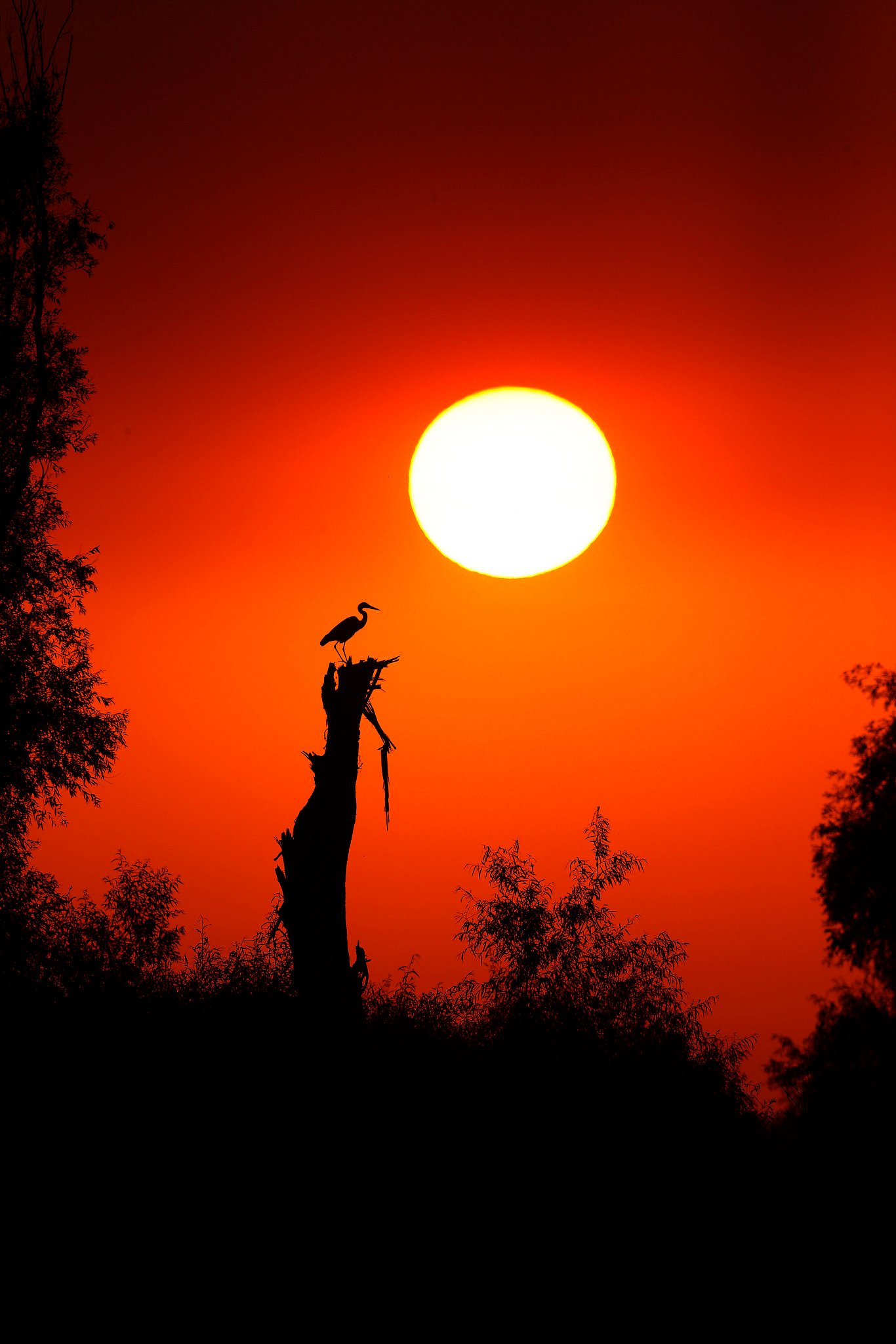
The places you will see during the trip
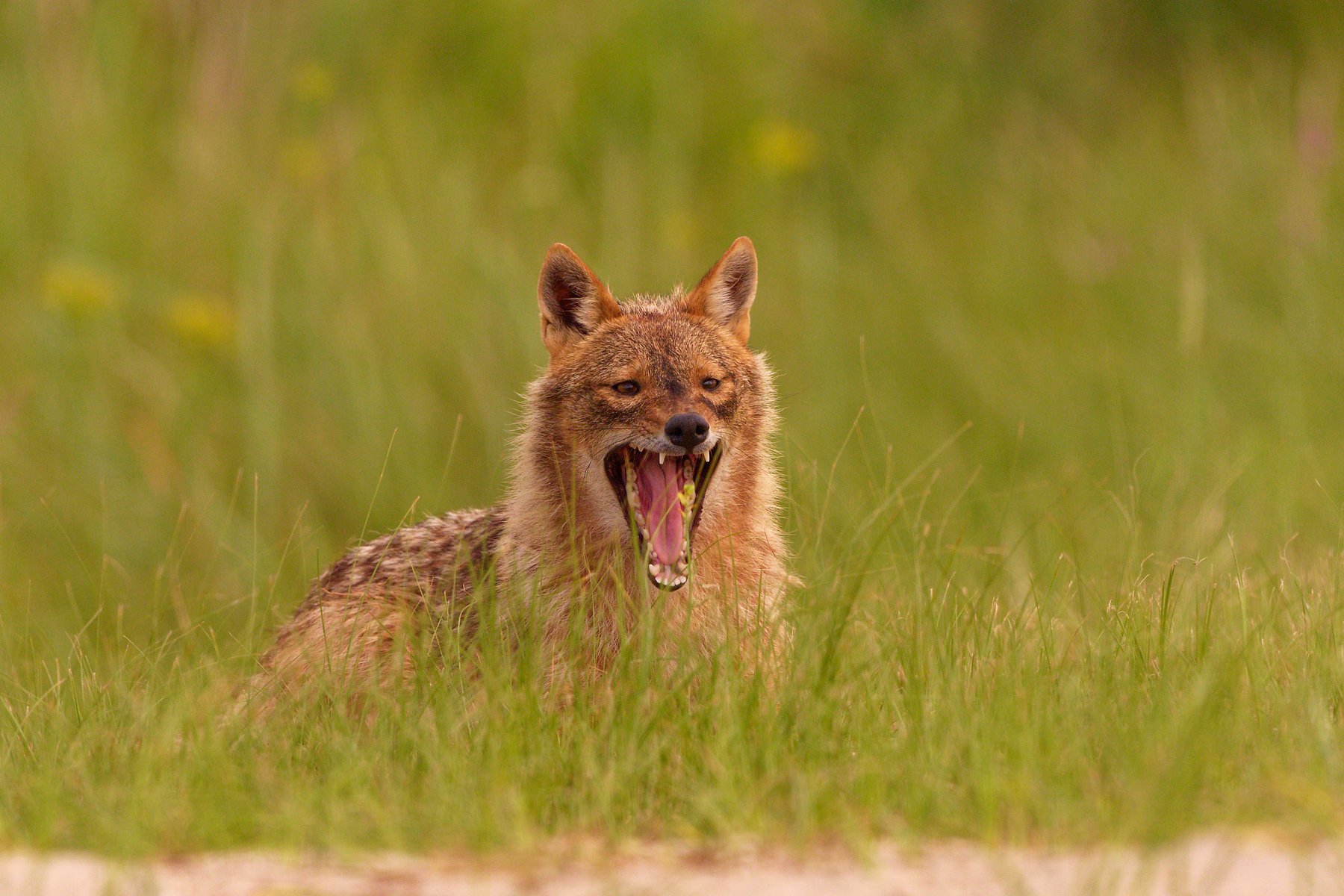
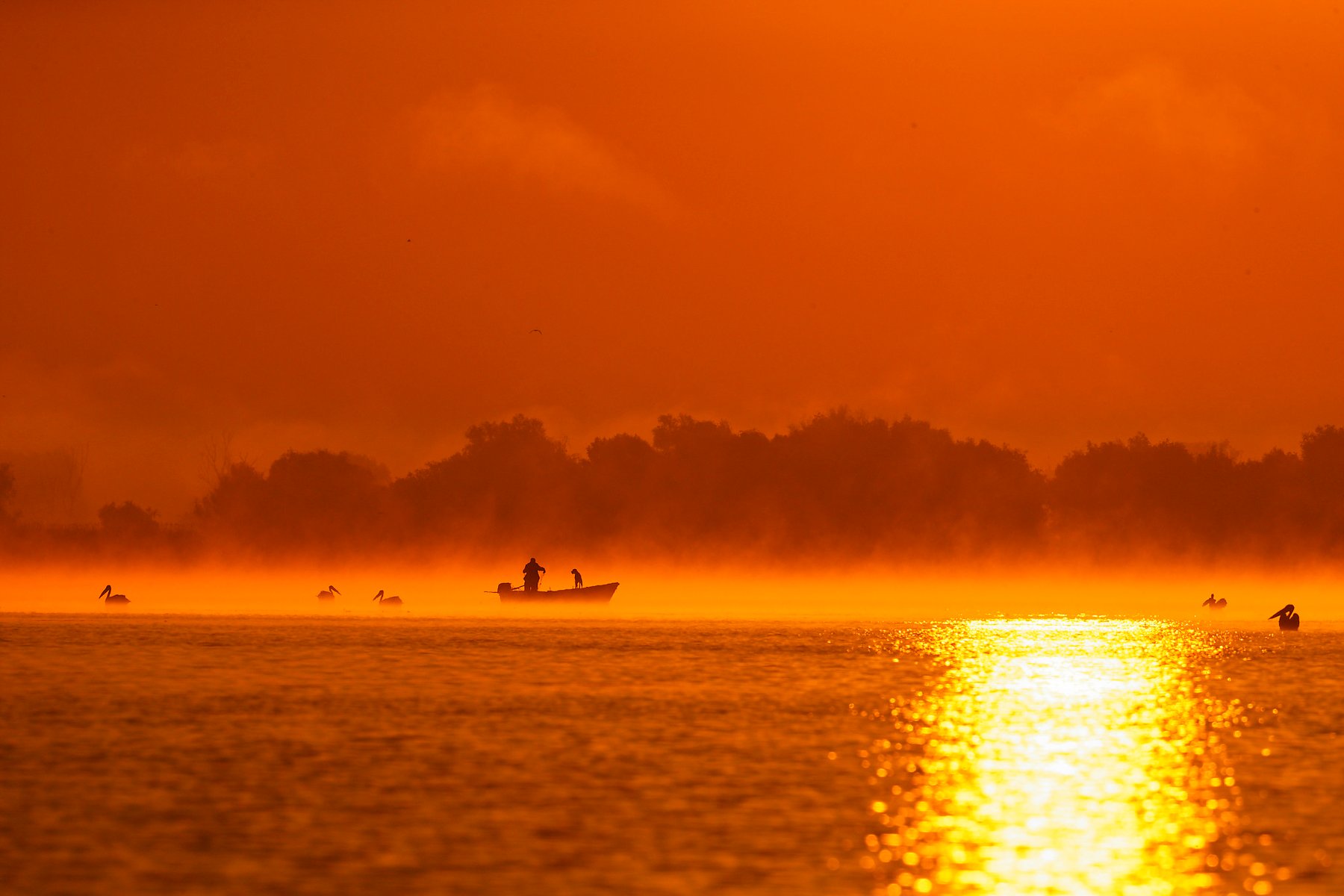
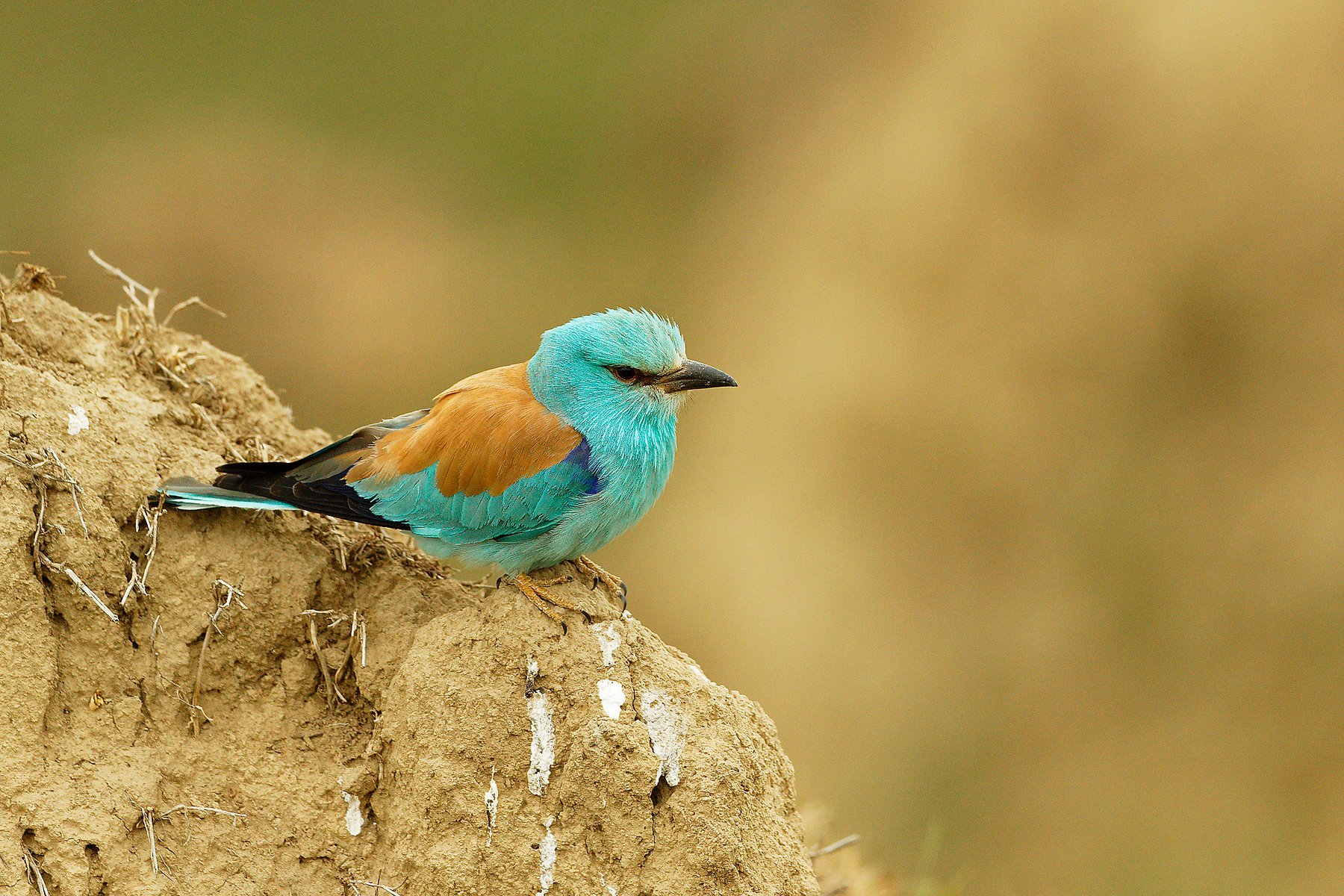
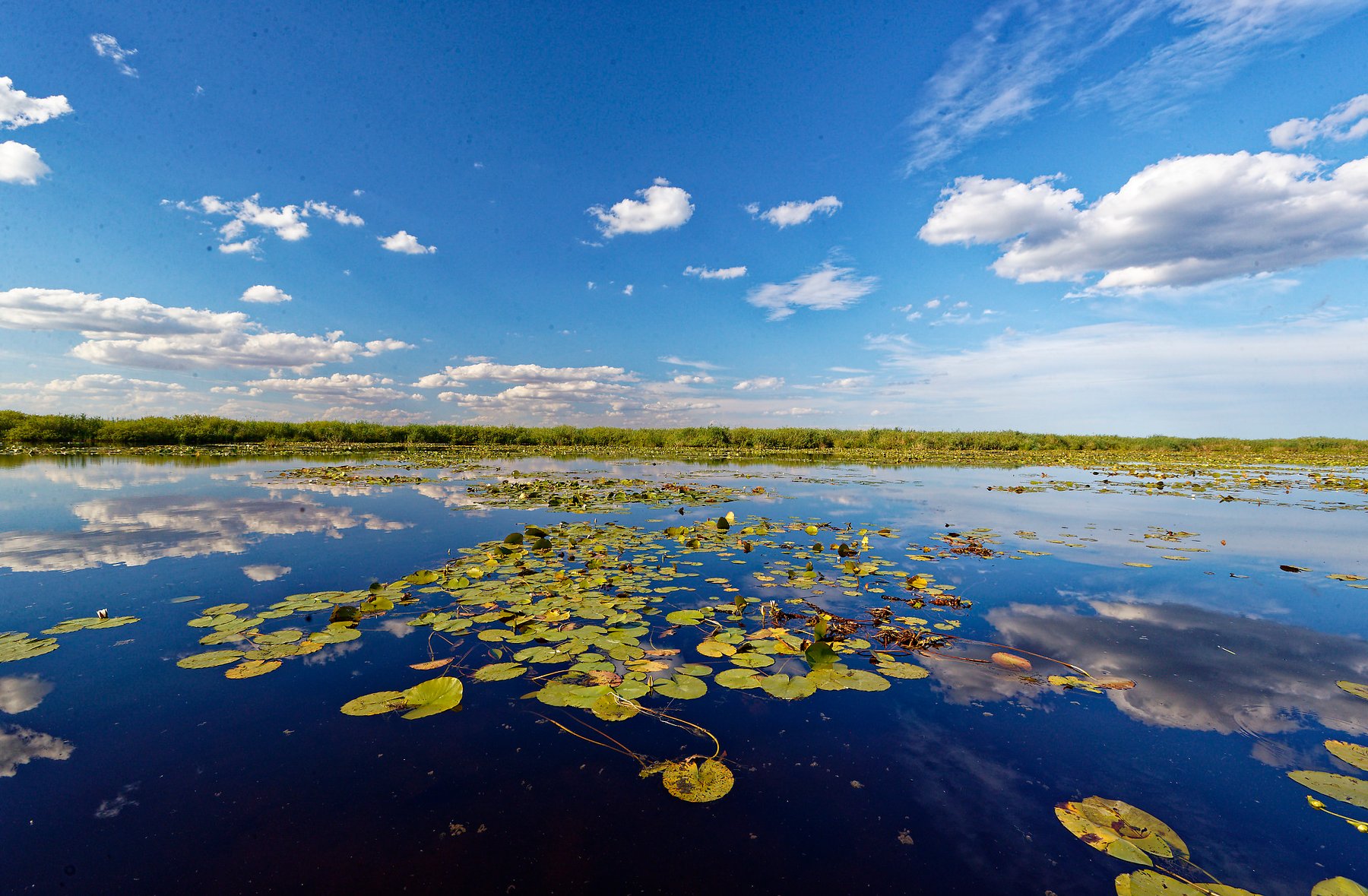
Discover all the places and views that you can admire during this trip. All the material shown here comes from our trips
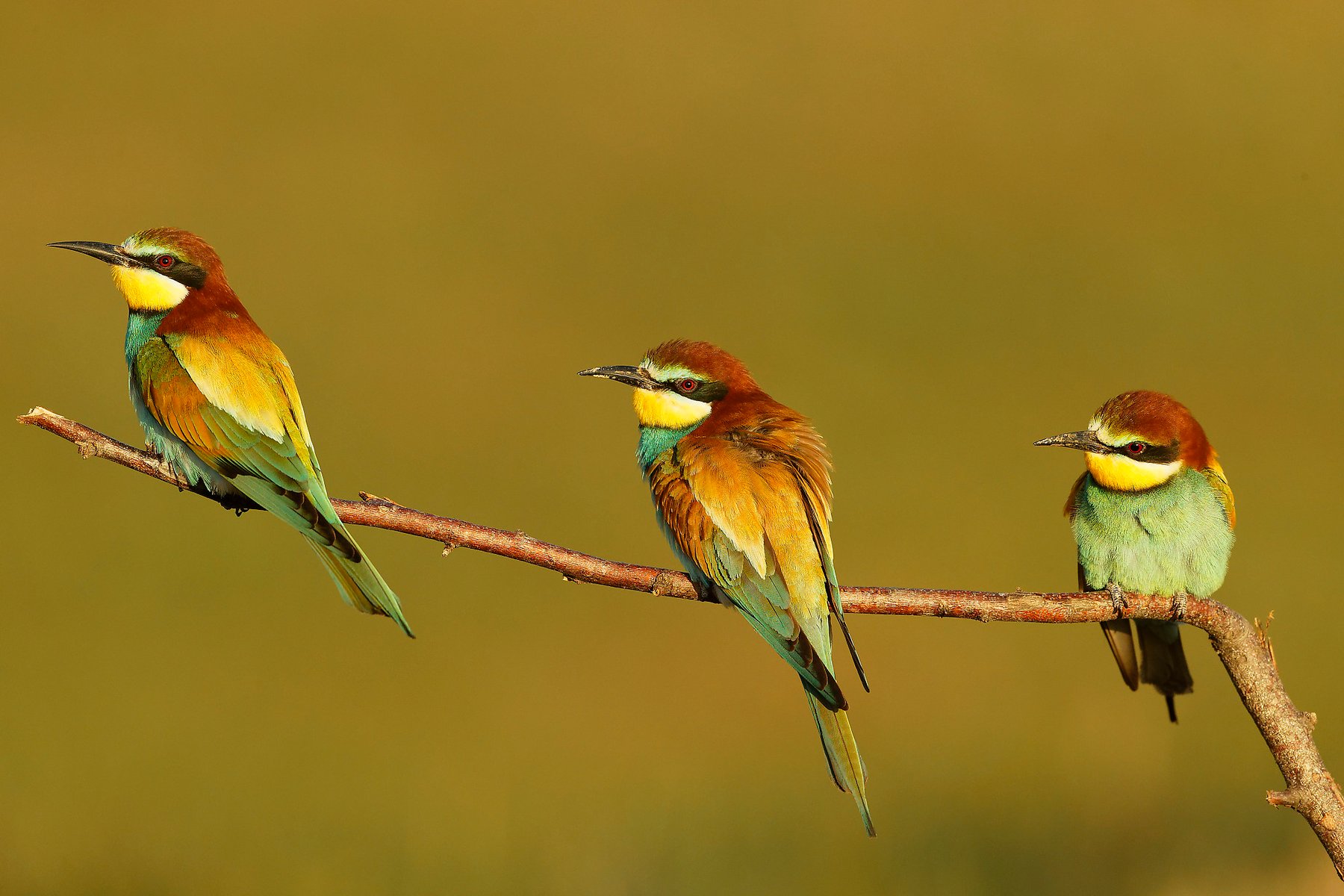
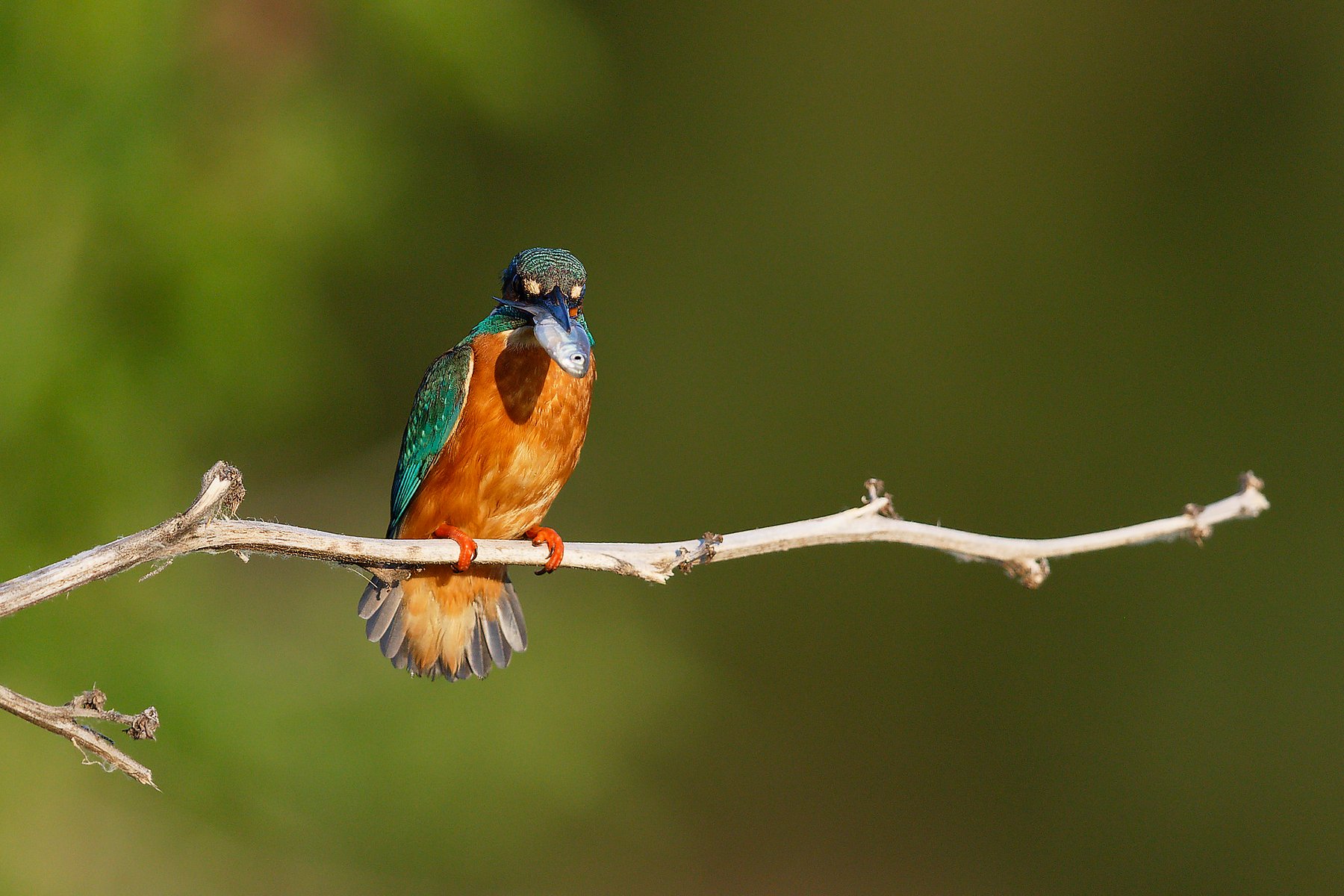
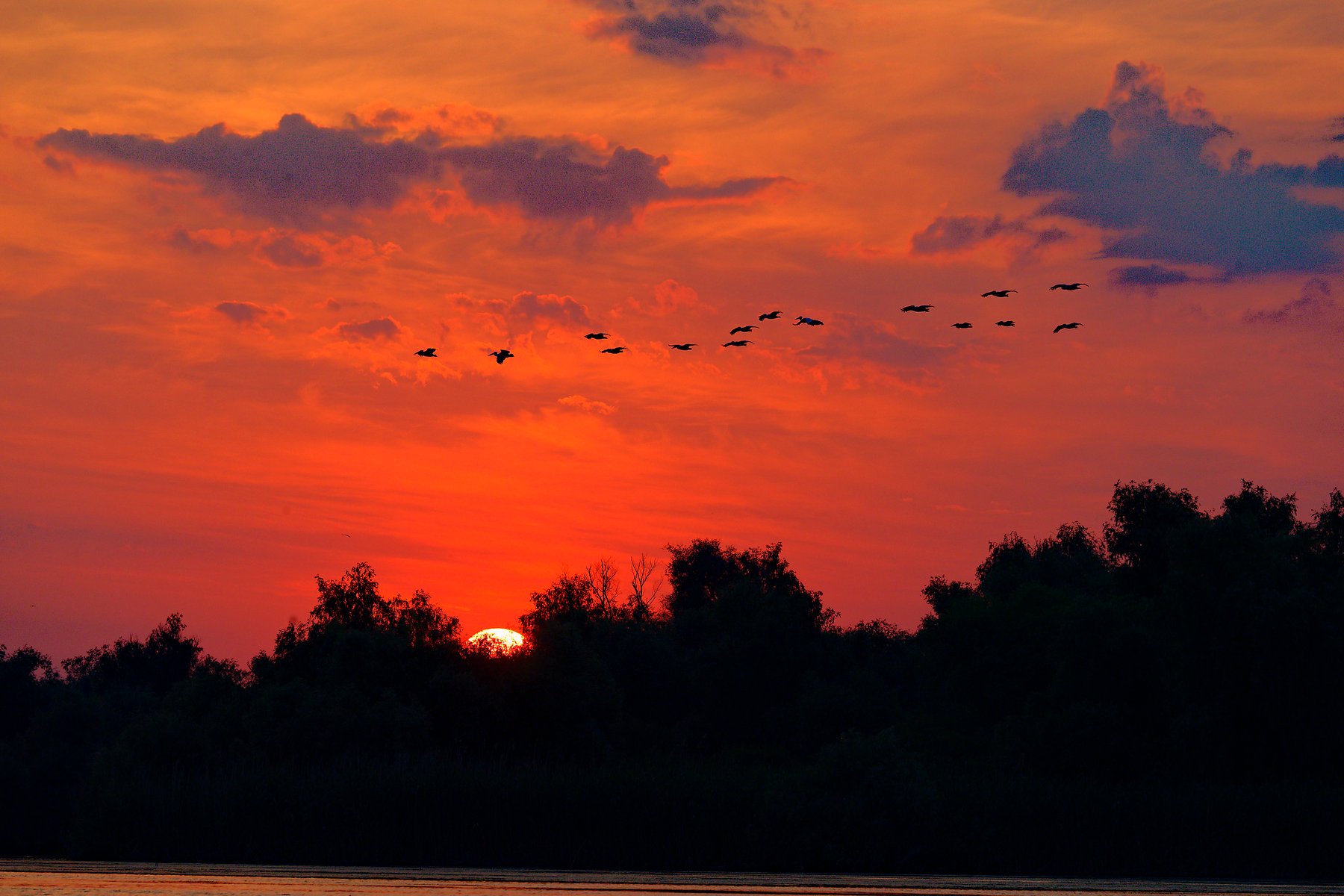
Explore More Wildlife Tours
For photographers & birdwatchers
Explore more carefully designed wildlife journeys for photographers and birdwatchers, across Romania and beyond — each shaped by the best seasons, habitats, and opportunities for meaningful encounters with nature.
Danube Delta – Wildlife Photography Tour – 5 Days
The Danube Delta doesn’t reveal itself to just anyone. Here, birds arrive…
Photography tour
Availability:
Places available
Romania’s Danube Delta & Carpathian Mountains – 10-Day Wildlife & Birdwatching Tour
On this exclusive 10-day nature expedition, we’ll explore Romania’s most spectacular landscapes,…
Wildlife tour
Availability:
Places available
Danube Delta – Wildlife Photography Tour – 5 Days
The Danube Delta doesn’t reveal itself to just anyone. Here, birds arrive…
Photography tour
Availability:
Places available
Danube Delta – Wildlife Photography Tour – 5 Days
The Danube Delta doesn’t reveal itself to just anyone. Here, birds arrive…
Photography tour
Availability:
Places available
Danube Delta – Wildlife Photography Tour – 5 Days
The Danube Delta doesn’t reveal itself to just anyone. Here, birds arrive…
Photography tour
Availability:
Places available
Danube Delta & Dobrogea Spring Tour — 8 Days of Ethical Wildlife Exploration
Join an exclusive 8-day birdwatching journey through Dobrogea and the Danube Delta,…
Wildlife tour
Availability:
Places available
Danube Delta & Dobrogea Bird Photography Tour – 7 Days
From the mirror-like canals of the Danube Delta to the sun-baked steppes…
Photography tour
Availability:
Places available
Danube Delta – Wildlife Photography Tour – 5 Days
The Danube Delta doesn’t reveal itself to just anyone. Here, birds arrive…
Photography tour
Availability:
Places available
Danube Delta & Dobrogea Bird Photography Tour – 7 Days
From the mirror-like canals of the Danube Delta to the sun-baked steppes…
Photography tour
Availability:
Places available
Romania's Danube Delta & Carpathian Mountains - 10-Day Wildlife & Birdwatching Tour
Wildlife tour in Carpathian Mountains, Danube Delta, Dobrogea
€2290 10 days / 9 nights
Start date: 11 May 2026