
Dobrogea
Romania’s Wild Steppe Between the Danube and the Black Sea
Dobrogea is one of Romania’s most distinctive natural regions — a land of open steppe, limestone ridges, dry valleys, coastal lagoons, and wide skies stretching between the Danube and the Black Sea. For birdwatchers, wildlife photographers, and naturalists, it offers something very different from the Danube Delta: drier habitats, broader views, more visible raptors, and a raw, sunlit sense of space. It is one of the best places in Romania to experience steppe birds, Black Sea migration, and a wilder southeastern landscape.
- Romania’s key steppe and forest-steppe region
- A transition zone between the Danube, the Black Sea, and the Balkan world
- Excellent for rollers, bee-eaters, wheatears, larks, and raptors
- Important for migration along the Via Pontica flyway
- Ideal for birdwatching, wildlife photography, and mixed nature itineraries
Dobrogea Highlights
Geography
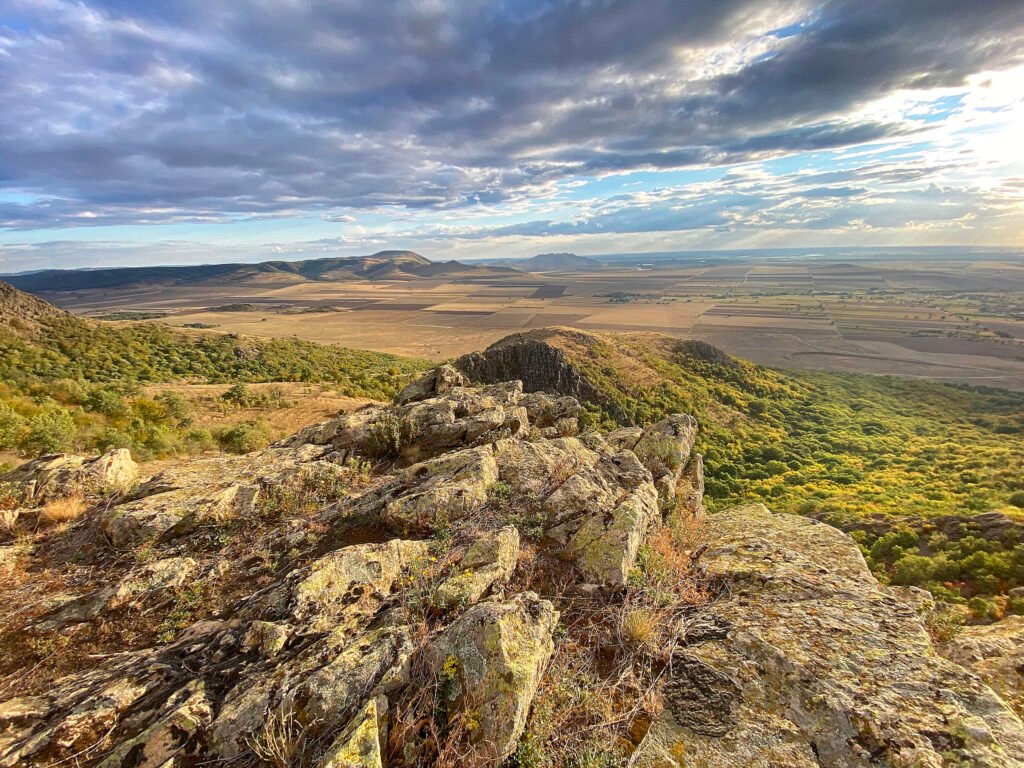
Dobrogea lies in southeastern Romania, between the lower Danube and the Black Sea. It is a region of low plateaus, steppe slopes, limestone outcrops, shallow valleys, gorges, lagoons, and coastal habitats. In the north rise the Măcin Mountains, a very old mountain range with forest-steppe character, rocky ridges, and broad open views that add even more diversity to the region. Together, these contrasting environments make Dobrogea one of the most varied wildlife areas in the country.

Climate
Dobrogea has a predominantly dry, sunny steppe climate, with strong continental influence and, in places, Balkan and Mediterranean touches. For visitors, this means bright light, open visibility, warm spring and summer conditions, and excellent opportunities for scanning raptors, photographing birds in clean landscapes, and exploring habitats that feel completely different from the wetter world of the Delta.
Main Ecosystems
Steppe grasslands
These are the defining habitats of Dobrogea: open, windswept landscapes of grasses, low vegetation, and scattered shrubs, ideal for larks, buntings, wheatears, raptors, and ground-nesting birds. Dobrogea holds some of Romania’s most important Pontic steppe vegetation and is central to the region’s ecological identity.
Limestone hills and gorges
Dobrogea is also shaped by rocky outcrops, dry slopes, and limestone formations. One of the best-known examples is Cheile Dobrogei, a protected gorge landscape in Constanța County, valued for both its geology and its wildlife. These habitats add strong visual character and create excellent conditions for open-country birding and photography.
Forest-steppe and old hills
Around the Măcin Mountains and in other parts of northern Dobrogea, steppe gives way to patches of woodland, scrub, and forest-steppe vegetation. This transition adds depth to the region and creates more varied bird and mammal communities than a purely open steppe landscape would support.
Lagoons, wetlands, and Black Sea influence
Closer to the coast and the delta margin, Dobrogea includes lagoons, shallow wetlands, open shorelines, and migration corridors influenced by the Black Sea. These habitats are especially valuable during passage seasons and help make the region important beyond its breeding birds alone.
- European Roller
- European Bee-eater
- Collared Pratincole
- Lesser Kestrel
- Red-footed Falcon
- Long-legged Buzzard
- Calandra Lark
- Black-headed Bunting
- Pied Wheatear
- Isabelline Wheatear
Birdlife
Dobrogea is one of the best regions in Romania for steppe and open-country birding. It is especially rewarding for those who enjoy wide landscapes, perched raptors, dry-country species, and migration. During spring and early summer, the region becomes full of colour and sound; in autumn, migration adds another exciting layer along the Black Sea flyway.
During our tours, some of the species most associated with Dobrogea include:
Depending on the season and conditions, guests may also encounter storks, migrating raptors, pelicans on nearby wetlands, and a wide variety of passage birds moving along the Via Pontica.

Plants and Landscape Character
Dobrogea is also remarkable for its botanical richness. The flora of the region is exceptionally diverse, with around 2,000 taxa recorded and many rare species, reflecting the meeting of steppe, forest-steppe, Balkan, and Mediterranean-influenced habitats. In practical terms, this gives the landscape its special texture: dry grasslands, low shrubs, rocky slopes, spring flowers, and warm-toned vegetation that looks completely different from the reedbeds of the Danube Delta.
This botanical diversity is one of the things that makes Dobrogea so photogenic. In spring especially, the open hills, limestone areas, and steppe slopes can feel surprisingly rich and colourful, while places such as Cheile Dobrogei and the Măcin Mountains give the region a stronger geological and scenic identity. Dobrogea is not only a birding destination — it is also a landscape destination, with a dry beauty and openness found nowhere else in Romania.
Mammals and Other Wildlife
Dobrogea is not only about birds. Its open grasslands, rocky slopes, scrubby valleys, and forest-steppe habitats also support a varied mammal community. Among the mammals associated with the region are the European souslik, golden jackal, red fox, wild boar, roe deer, red deer in the Măcin area, wildcat, and species such as marbled polecat. Together, these mammals add another layer of ecological richness to the region and help define Dobrogea as more than just a birding area.
Its dry habitats are also important for reptiles, insects, and steppe flora, which contribute strongly to the character of the place. The broader landscape — with old hills, stony ridges, traditional grazing areas, and big skies — is part of what makes Dobrogea so memorable for travellers looking for something wilder and less expected.
Why Visit the Dobrogea With Us
Dobrogea works best when it is explored with patience, local knowledge, and a strong feel for light, season, and habitat. It is a region of subtle detail: a buzzard on a distant post, rollers flashing over steppe, bee-eaters on sandy banks, pratincoles over dry ground, or migration suddenly building along the coast.
Our tours are designed to experience Dobrogea slowly and purposefully, combining birdwatching, photography, and habitat-based guiding in small groups. This allows you to enjoy not only the target species, but also the broader atmosphere of the region — its openness, its contrasts, and its special place between the Danube, the Black Sea, and the steppe world of southeastern Europe.

Tours in Dobrogea
Romania’s Danube Delta & Carpathian Mountains – 10-Day Wildlife & Birdwatching Tour
Start from: 2290 €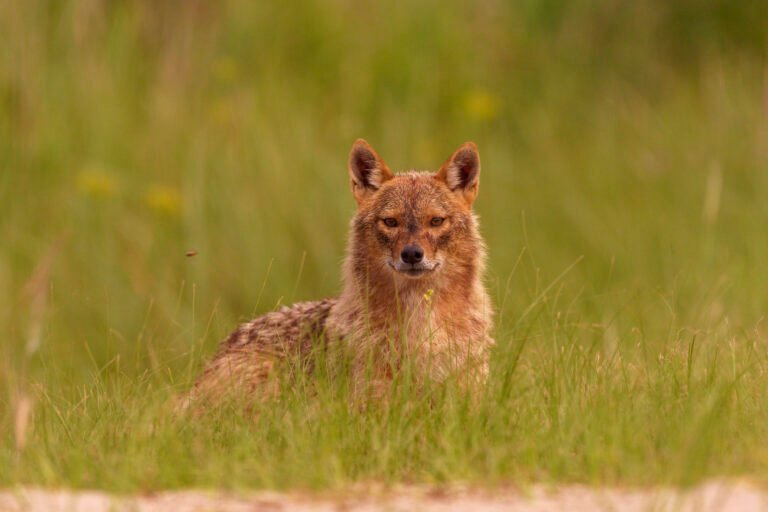 Start on 26 April 2026
Romania’s Danube Delta & Carpathian Mountains – 10-Day Wildlife & Birdwatching Tour
Start from: 2290 € Start on 11 May 2026
 Start on 24 May 2026
Danube Delta & Dobrogea Bird Photography Tour – 7 Days
Start from: 1650 €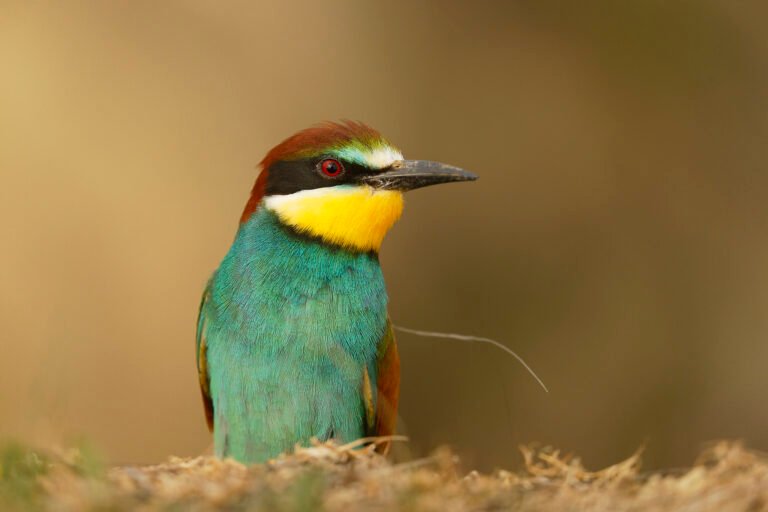 Start on 25 May 2026
Danube Delta & Dobrogea Bird Photography Tour – 7 Days
Start from: 1650 € Start on 1 June 2026