
Danube Delta
Europe’s Great Wetland Wilderness
The Danube Delta is one of Europe’s most extraordinary natural regions — the second-largest delta in Europe and one of the continent’s best-preserved wetland landscapes. Located where the Danube reaches the Black Sea, it is recognised by UNESCO and is widely valued for its immense ecological richness, large expanses of water and reedbed, and exceptional importance for birds, fish, and wetland habitats. For wildlife travellers, birdwatchers, and photographers, it offers something increasingly rare in Europe: silence, scale, and genuine wildness.
- Second-largest river delta in Europe
- UNESCO World Heritage Site and Biosphere Reserve
- Over 300 bird species and around 45 freshwater fish species
- A mosaic of lakes, reedbeds, floating islands, channels, levees, and forests
- Ideal for birdwatching, wildlife photography, and slow nature travel
Danube Delta Highlights
Geography
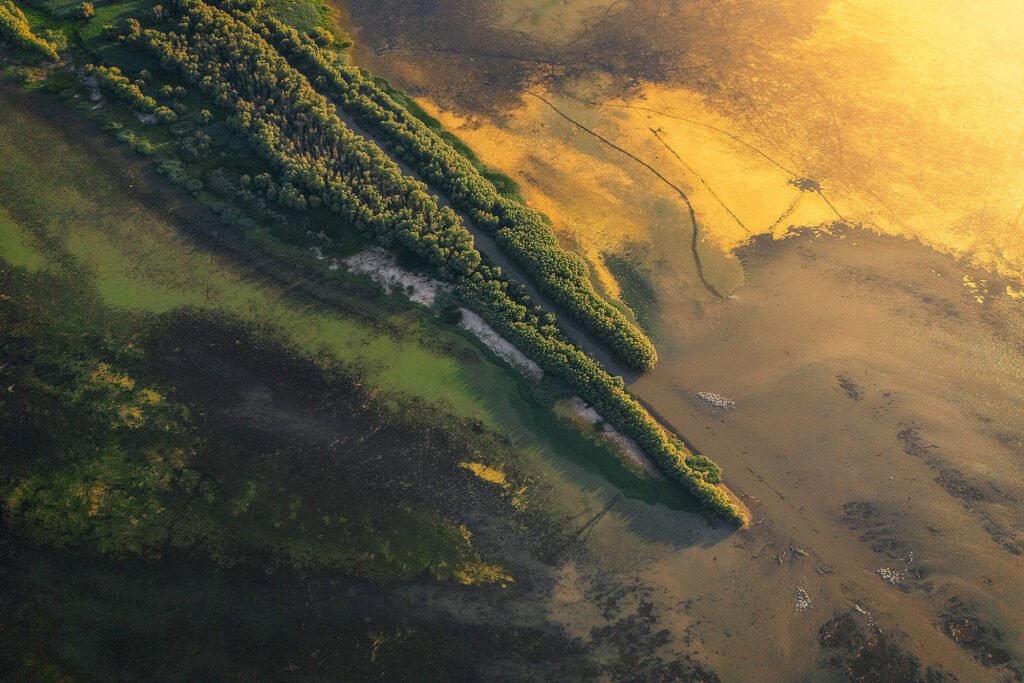
The Danube Delta lies mainly in eastern Romania, with a smaller section extending into Ukraine. It is formed by the three main branches of the Danube — Chilia, Sulina, and Sfântu Gheorghe — which spread into a complex network of lakes, marshes, channels, flooded areas, levees, and wetland habitats before reaching the Black Sea. Together with the ecologically related Razim–Sinoe lagoon complex, the wider protected area exceeds 5,000 km², giving the region an extraordinary range of habitats within one vast wetland system.
The landscape itself is low, open, and constantly shaped by water and sediment. This is what gives the delta its distinctive character: open lakes full of light, narrow channels hidden in reedbeds, willow-lined banks, floating vegetation, and in places even sand-dune forests such as Letea and Caraorman, which make the area feel far more varied than the word “delta” might suggest.
Climate
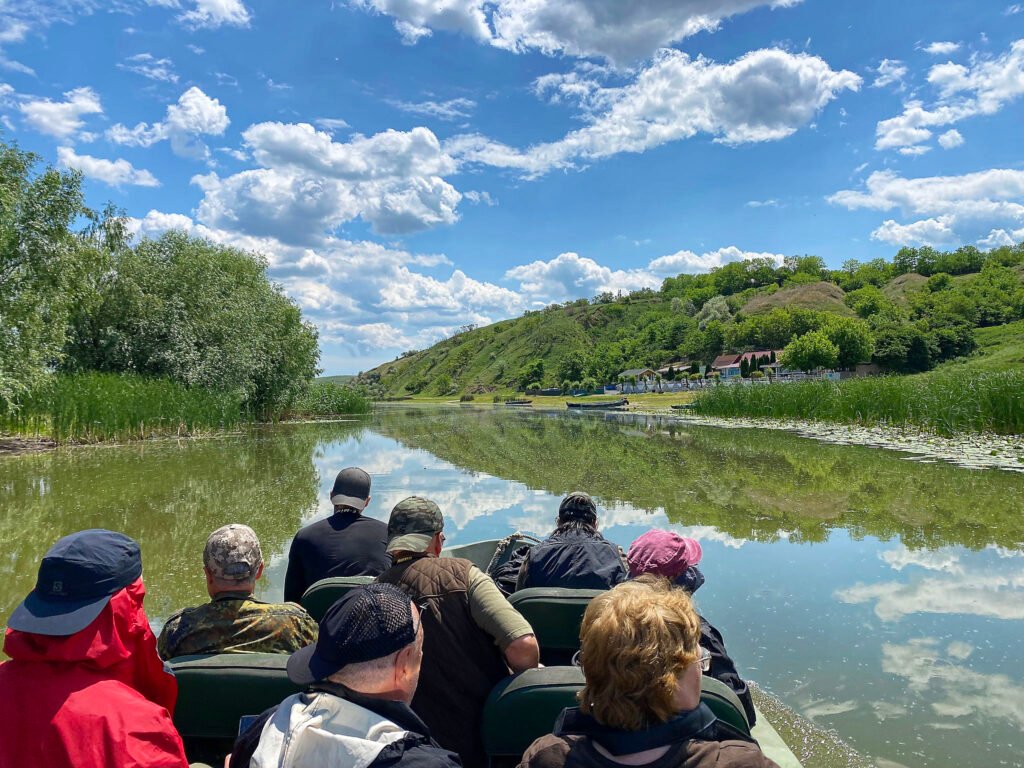
The Danube Delta is known as one of Romania’s sunniest and driest regions, with warm summers, relatively low rainfall, and long periods of beautiful natural light. For visitors, this means excellent field conditions through much of the season: fresh breeding activity and migration in spring, lush and productive wetlands in summer, strong movement in autumn, and a quieter, more atmospheric character in winter.
Main Ecosystems
Open lakes and channels
Wide lakes and flowing channels form the open face of the Danube Delta. These waters support pelicans, ducks, cormorants, herons, fish, and countless smaller aquatic organisms, and they are among the most important feeding and movement corridors in the region.
Reedbeds and floating reed islands
The reedbeds are the signature habitat of the delta. Vast areas of common reed, together with floating reed islands known locally as plaur, create shelter, nesting areas, and spawning grounds for birds, fish, and invertebrates. These reed landscapes are one of the reasons the Danube Delta is so biologically productive.
Marshes and flooded areas
Flooded vegetation, shallow marshes, still backwaters, and soft muddy edges form some of the richest habitats in the delta. These areas are especially important for breeding waterbirds, amphibians, aquatic plants, and the food chains that support larger wildlife.
Riverbanks and levees
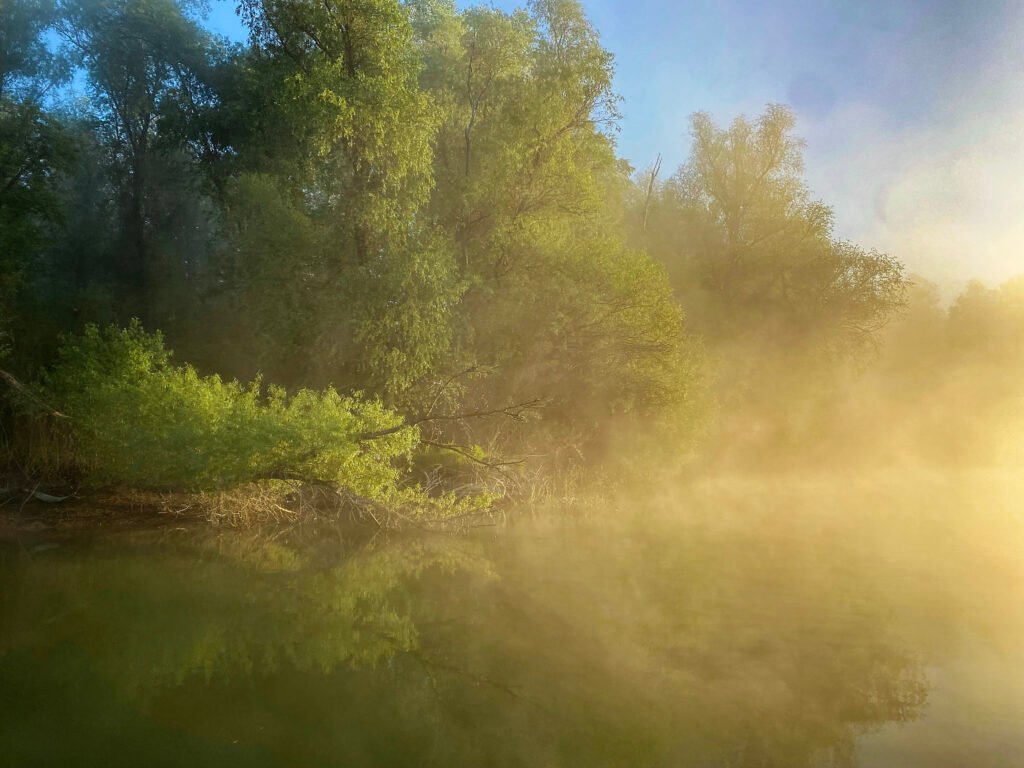
Willow-lined riverbanks, levees, and slightly higher ground create transition zones between wetland and drier habitats. In some places these support poplar, willow, scrub, and woodland edge species, adding another layer of diversity to the delta and creating quieter, more sheltered environments away from the open lakes.
Sand-dune forests
One of the most surprising elements of the Danube Delta is the presence of old sand-dune forests such as Letea and Caraorman. These areas combine oak woodland, shrubs, climbing plants, and sandy ground, creating a completely different atmosphere from the surrounding wetlands and adding real landscape contrast to the destination.
Lagoon and coastal influence
Near the Black Sea and the lagoon systems, freshwater and marine influence meet, creating additional habitats of great ecological value. This coastal character helps increase the overall diversity of the region and adds another dimension to migration and seasonal bird movement.
- Dalmatian Pelican
- Great White Pelican
- Pygmy Cormorant
- Squacco Heron
- Night Heron
- Purple Heron
- Glossy Ibis
- Ferruginous Duck
- White-tailed Eagle
- Common Kingfisher
Birdlife
The Danube Delta is one of Europe’s great birding destinations. UNESCO notes over 300 bird species in the delta, while other tourism and interpretation sources commonly describe the wider region as supporting some of Europe’s richest concentrations of wetland birds. The area is important not only for breeding species, but also for migration and wintering flocks, with very large numbers of birds using the delta and surrounding region seasonally.
During our tours, some of the species most associated with the Danube Delta include:
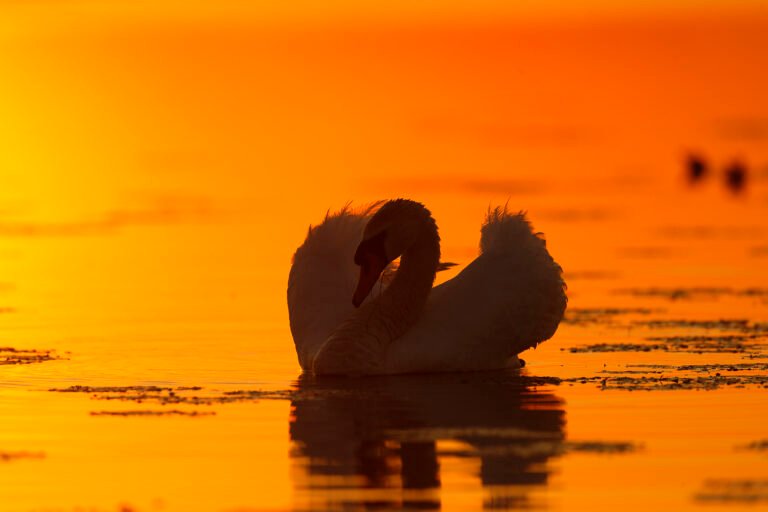
Depending on the season and conditions, guests may also encounter Eurasian Spoonbill, Great Egret, Little Egret, Mute Swan, Greylag Goose, red-crested pochard, tufted duck, and many other ducks, herons, terns, grebes, raptors, and passerines. These are also among the characteristic birds repeatedly associated with the delta in public visitor information and UNESCO material.

Plants and Landscape Character
The plant life of the Danube Delta is a defining part of its identity. Vast reedbeds dominate the view, but the region also includes cattails, sedges, rushes, willow corridors, poplar stands, aquatic vegetation, water lilies, floating plants, and wet meadows. Together, these plant communities create the structure of the habitat itself — sheltering fish, supporting insects and amphibians, and providing breeding and feeding conditions for birds on a huge scale.
This botanical richness is also part of what makes the delta so visually powerful. Open sheets of water, dense reed walls, floating vegetation, old willow banks, and the unexpected forests of Letea and Caraorman give it a constantly changing texture and atmosphere. The Danube Delta is not only a birding destination — it is also one of Europe’s great wetland landscapes.

Mammals and Other Wildlife
Although birds are the stars of the Danube Delta, the region also supports a varied mammal community. Public visitor information for the delta commonly mentions species such as wildcat, fox, wolf, otter, golden jackal, European mink, wild boar, and in some accounts even deer in the wider ecosystem. These mammals are usually more discreet than the birds, but they add real depth to the wildlife value of the region.
Beyond mammals, the delta supports a much wider living system of amphibians, reptiles, insects, and aquatic invertebrates. This richness is part of what gives the area its feeling of abundance: not just isolated species, but an entire wetland world functioning at full scale.
Why Visit the Danube Delta With Us
The Danube Delta works best when it is explored slowly, with local knowledge, patience, and a strong feel for light, season, and wildlife behaviour. It is not a place that reveals itself fully from the main routes. Its real richness is found in the hidden channels, quieter lakes, reed-fringed corners, and changing moods of the day. This kind of habitat-based experience is exactly what makes the region so rewarding for both birdwatching and photography.
Our tours are designed to experience the Danube Delta slowly, ethically, and in small groups, combining birdwatching, wildlife photography, and habitat-based guiding. This allows you to enjoy not only the famous species, but also the atmosphere of the place itself — the silence of dawn, the movement of birds over open water, the glow of evening light on reeds, and the rare feeling of genuine wilderness in one of Europe’s most remarkable wetland landscapes.

Tours in Danube Delta
Danube Delta – Wildlife Photography Tour – 5 Days
Start from: 890 € Start on 21 April 2026
Romania’s Danube Delta & Carpathian Mountains – 10-Day Wildlife & Birdwatching Tour
Start from: 2190 €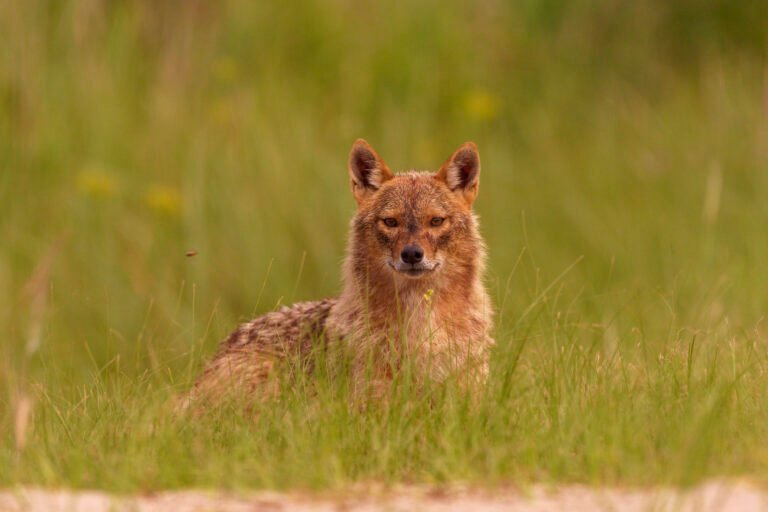 Start on 26 April 2026
Danube Delta – Wildlife Photography Tour – 5 Days
Start from: 890 €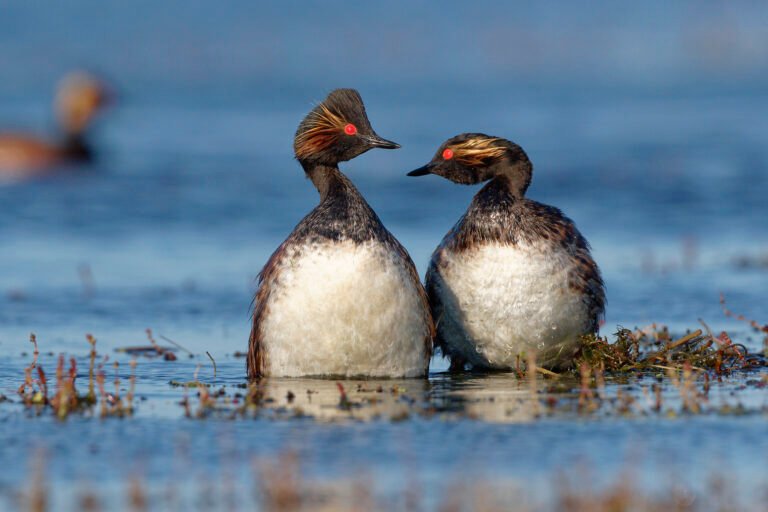 Start on 6 May 2026
Romania’s Danube Delta & Carpathian Mountains – 10-Day Wildlife & Birdwatching Tour
Start from: 2190 €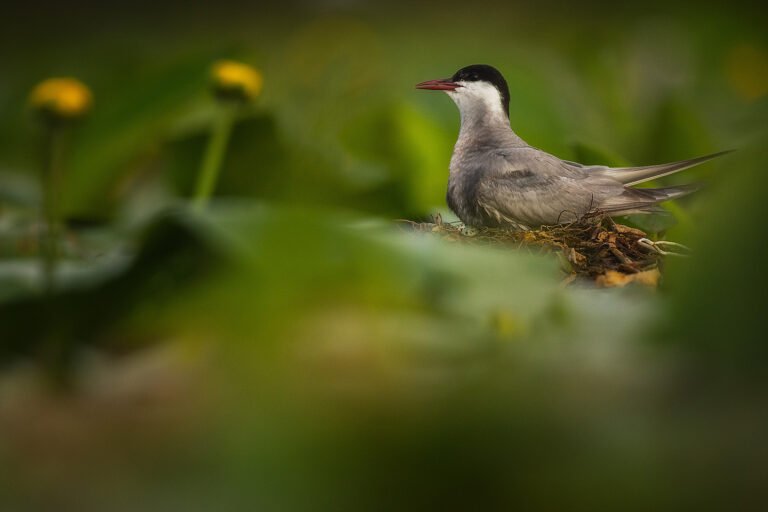 Start on 11 May 2026
Danube Delta – Wildlife Photography Tour – 5 Days
Start from: 890 €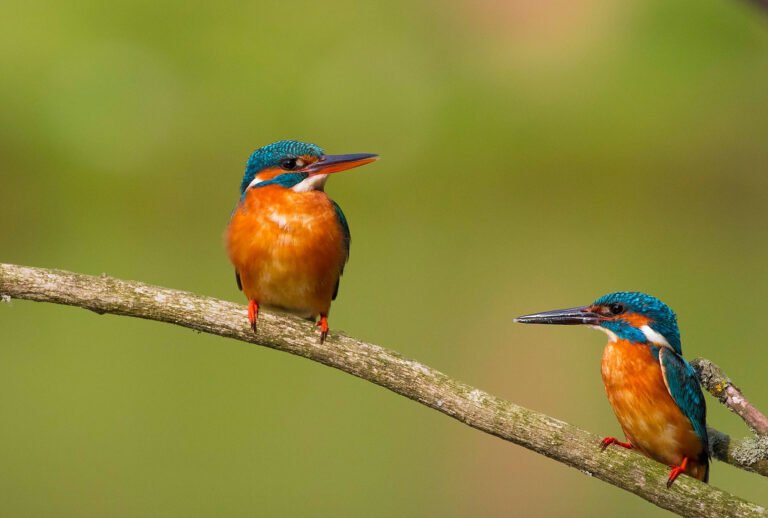 Start on 18 May 2026
Danube Delta – Wildlife Photography Tour – 5 Days
Start from: 890 € Start on 22 May 2026
 Start on 24 May 2026
Danube Delta & Dobrogea Bird Photography Tour – 7 Days
Start from: 1450 € Start on 25 May 2026
Danube Delta – Wildlife Photography Tour – 5 Days
Start from: 890 € Start on 27 May 2026
Danube Delta & Dobrogea Bird Photography Tour – 7 Days
Start from: 1450 €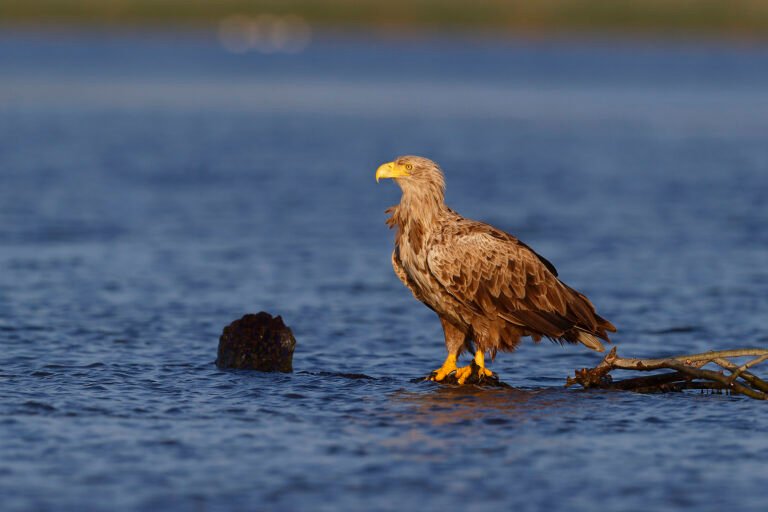 Start on 1 June 2026