
Wild Places That Offer More Than Just Landscapes
They offer presence, meaning, and quiet
Explore the most fascinating natural regions in Romania – thoughtfully designed for birdwatching, wildlife photography, and a deep reconnection with nature. You won’t find mass tourism here. You’ll find expeditions built on patience, ethics, and true field knowledge.
Danube Delta - Romania
A sanctuary for photographers and birdwatchers – a world of silence and slow rhythms.
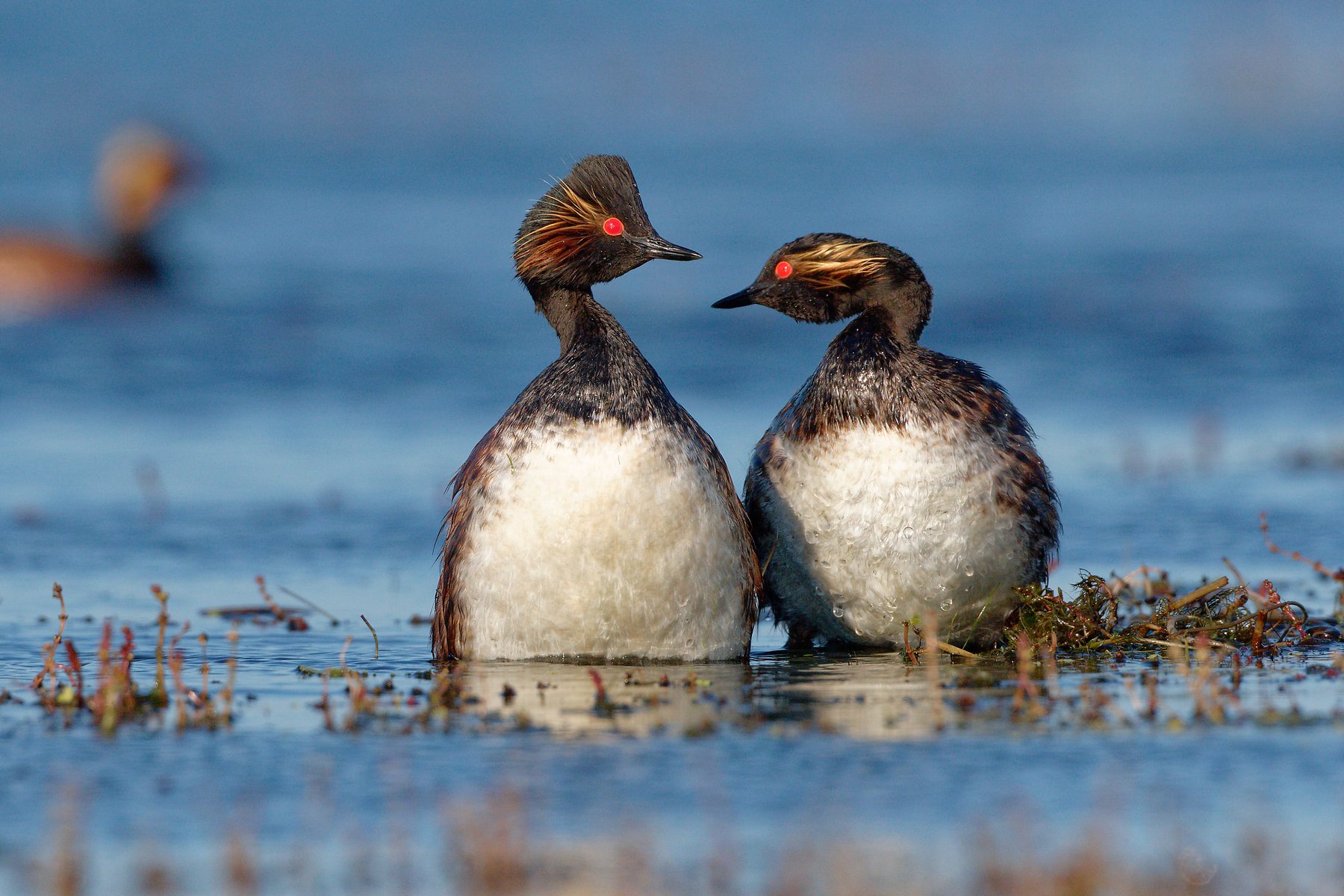
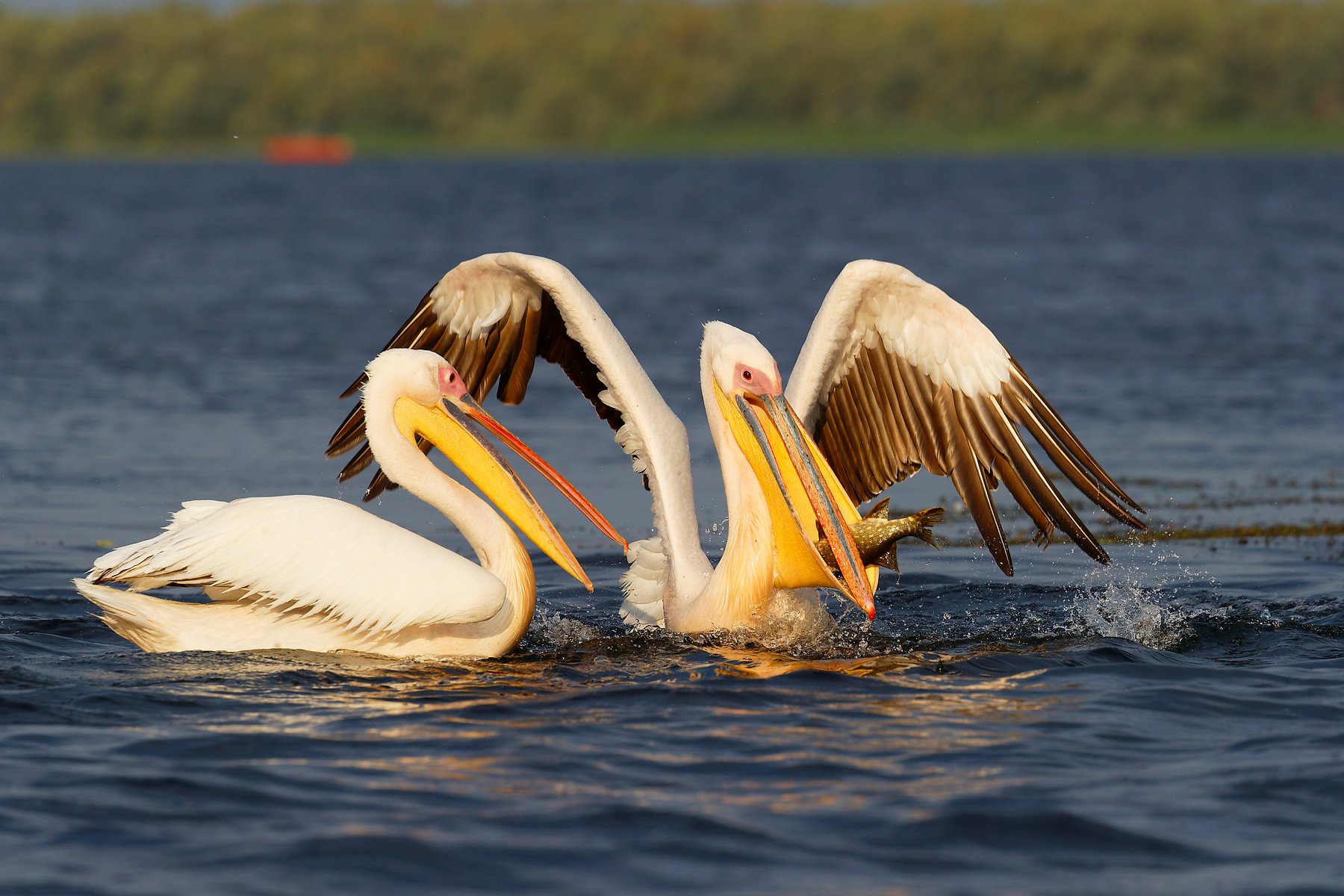
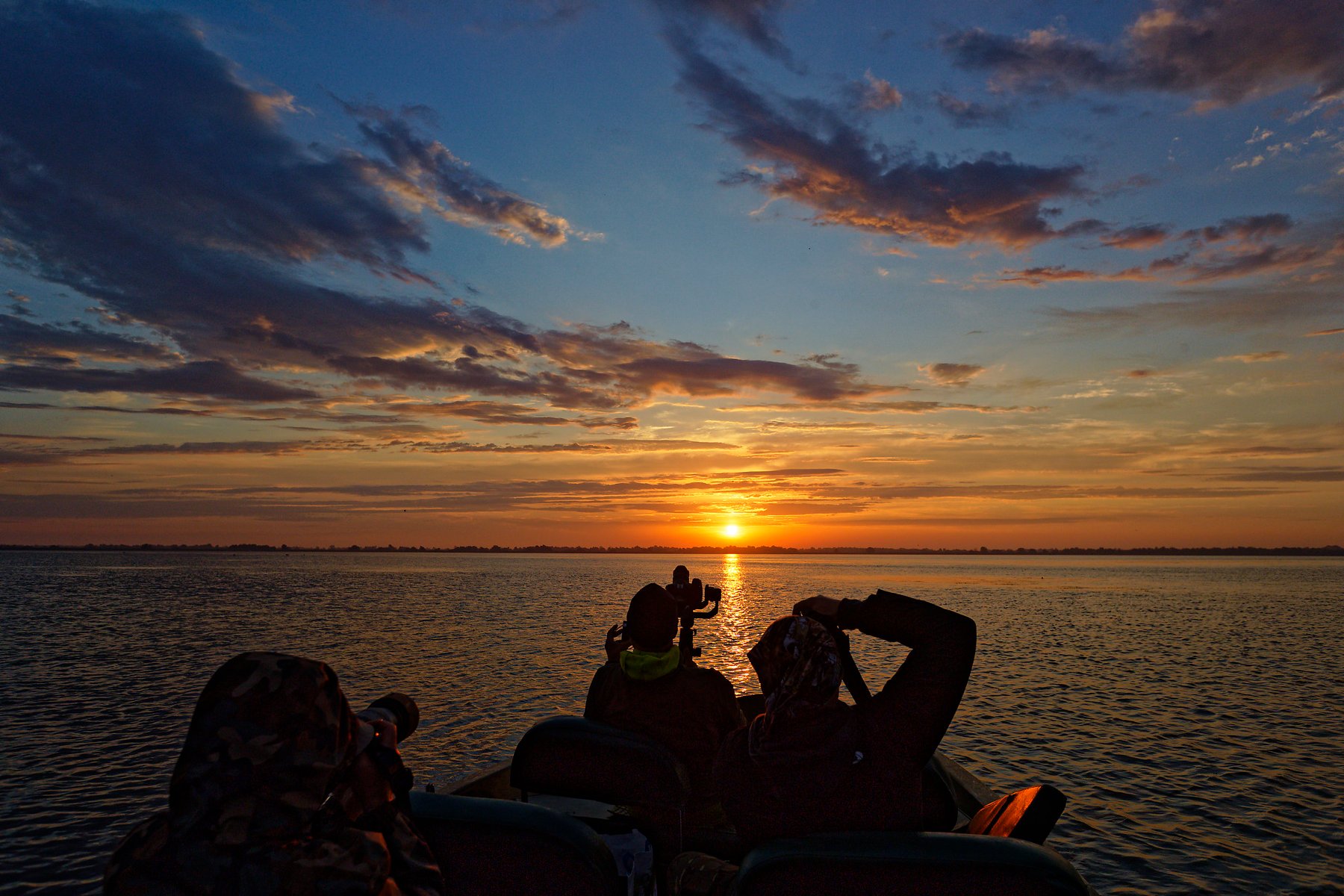
Here, light dances on water, birds arrive on their own terms, and every morning begins like a revelation. The Delta isn’t just a place. It’s a tempo – a living space where you witness intimate wildlife moments: a pair of herons building a nest, pelicans fishing at sunrise, a white-tailed eagle gripping its catch. Each expedition is carefully planned around light, behavior, and silence. Only 6 people per tour, in a low-profile boat designed for water-level photography.
More about Danube Delta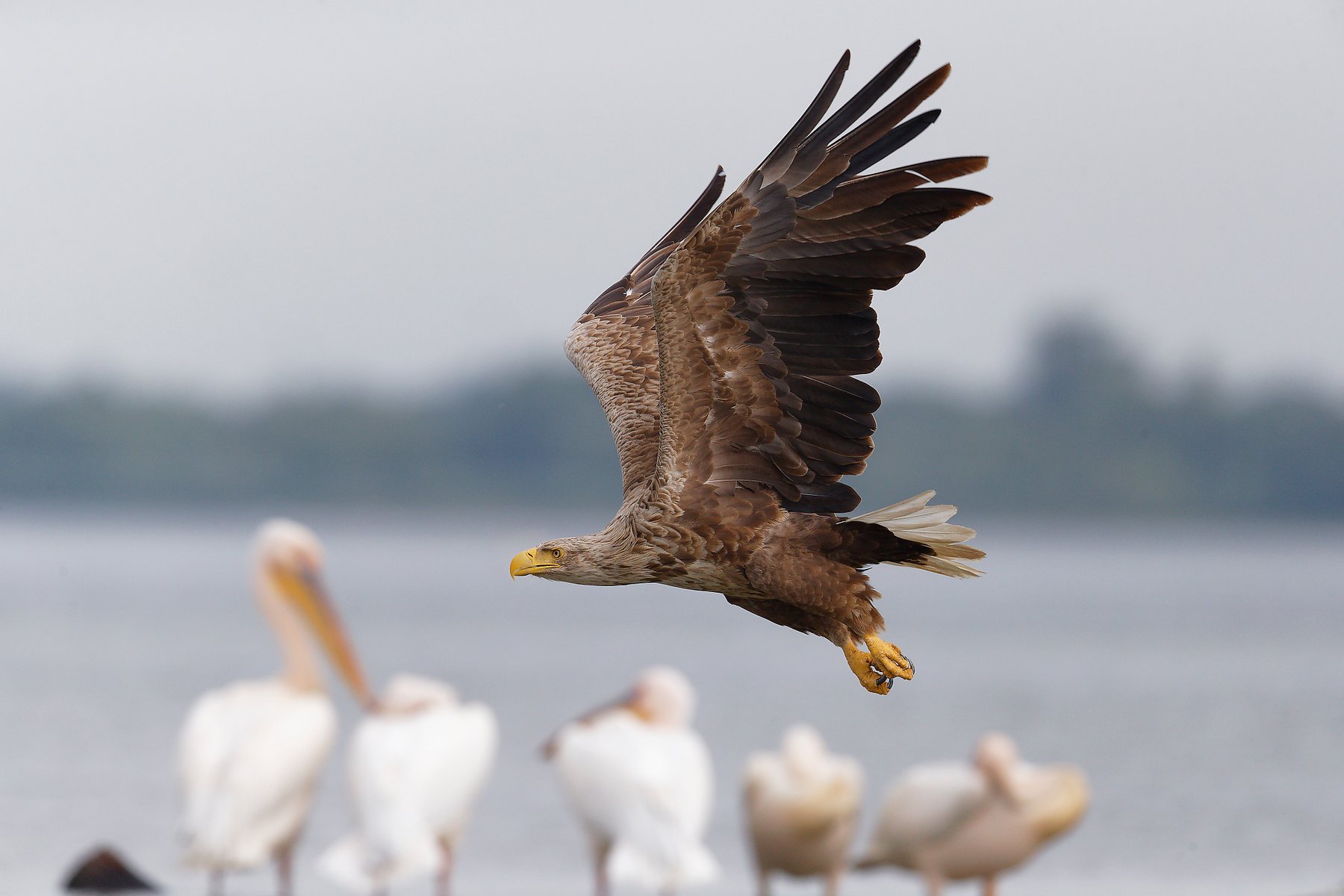

Wild Dobruja (Dobrogea) - Romania
Arid hills, mysterious steppe, and migratory birds painting the sky
Dobrogea is not what you expect. It’s not lush green – it’s scorched, warm, and deeply authentic. A nearly forgotten space where silence cuts sharp and birdsong rings clear.
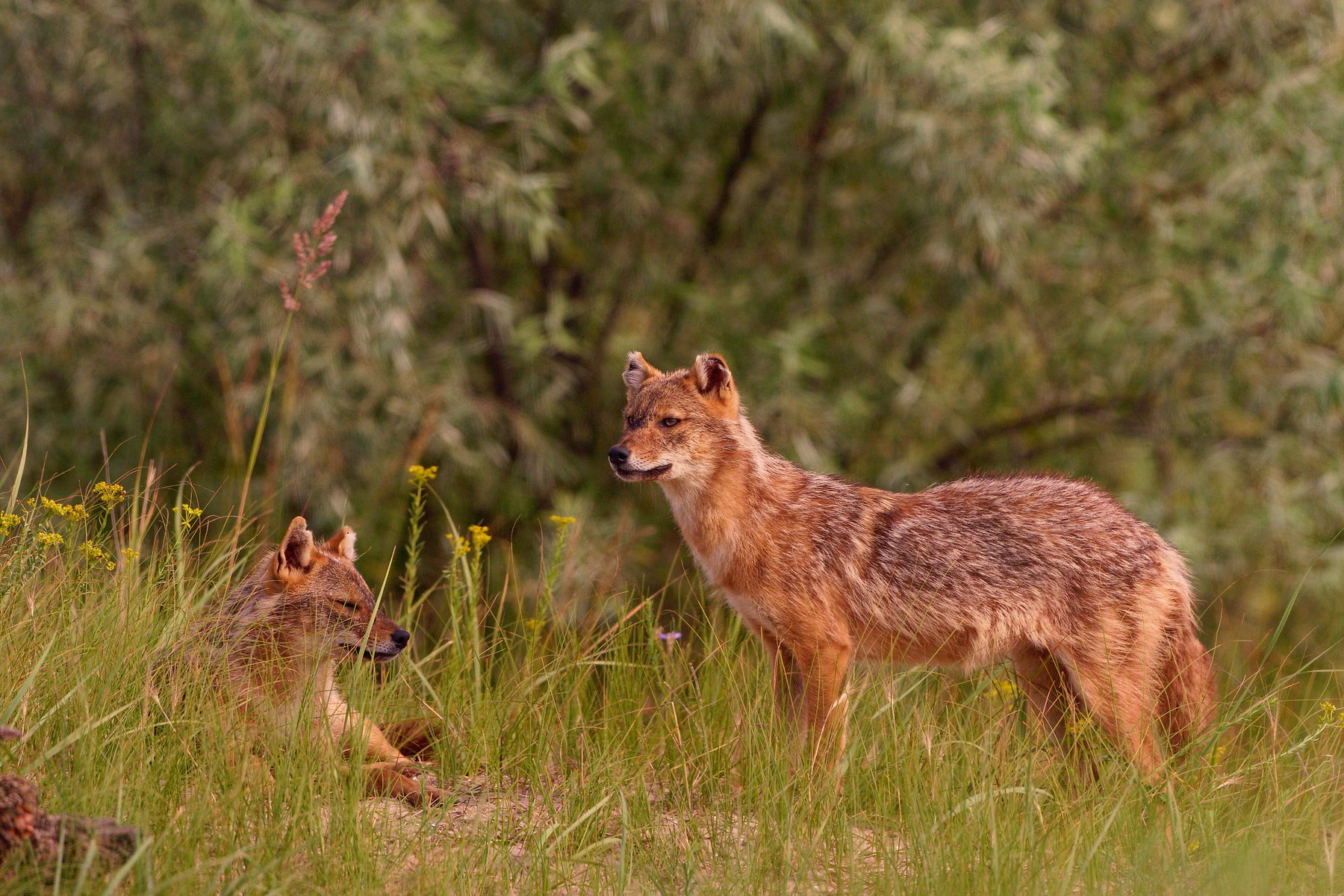
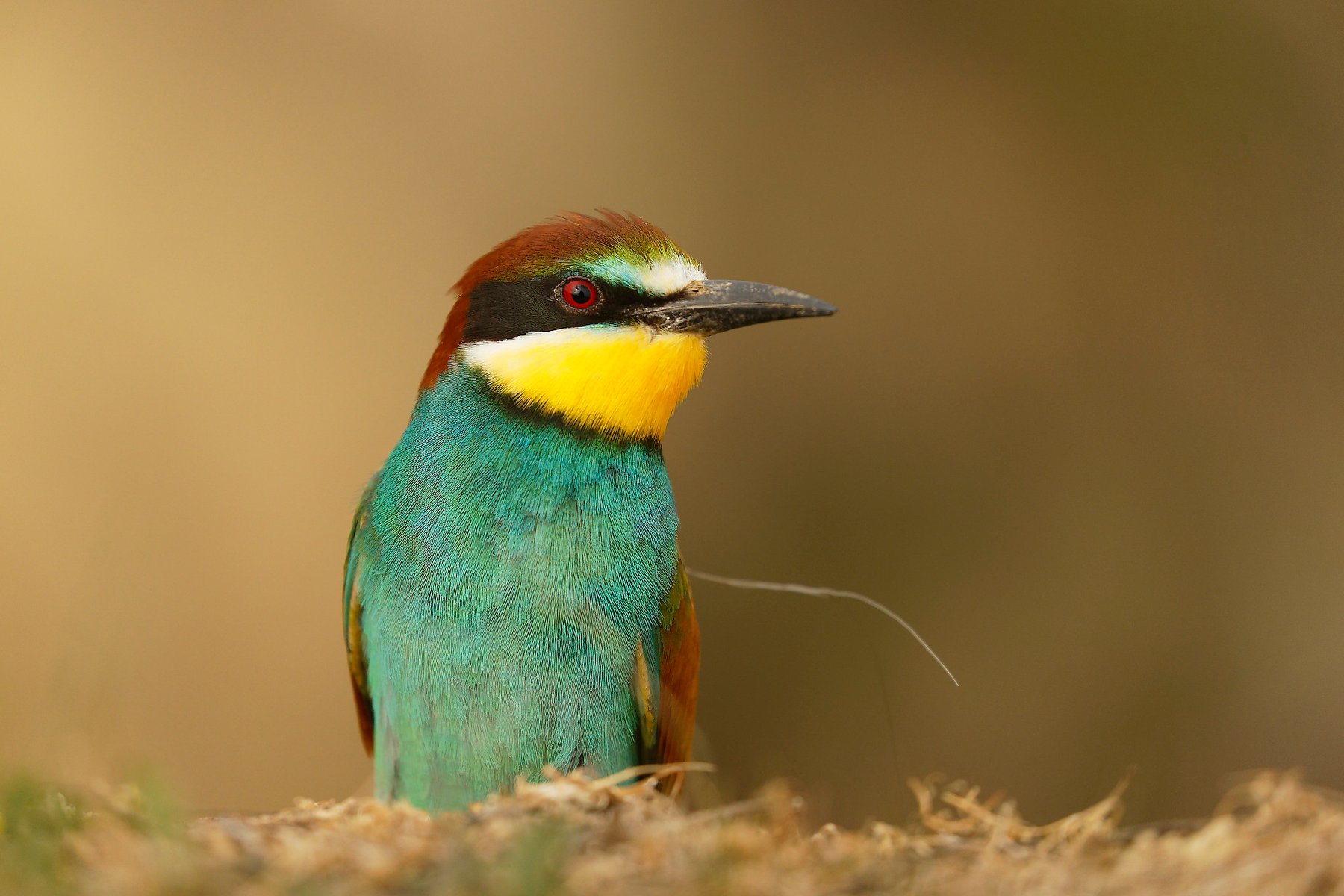
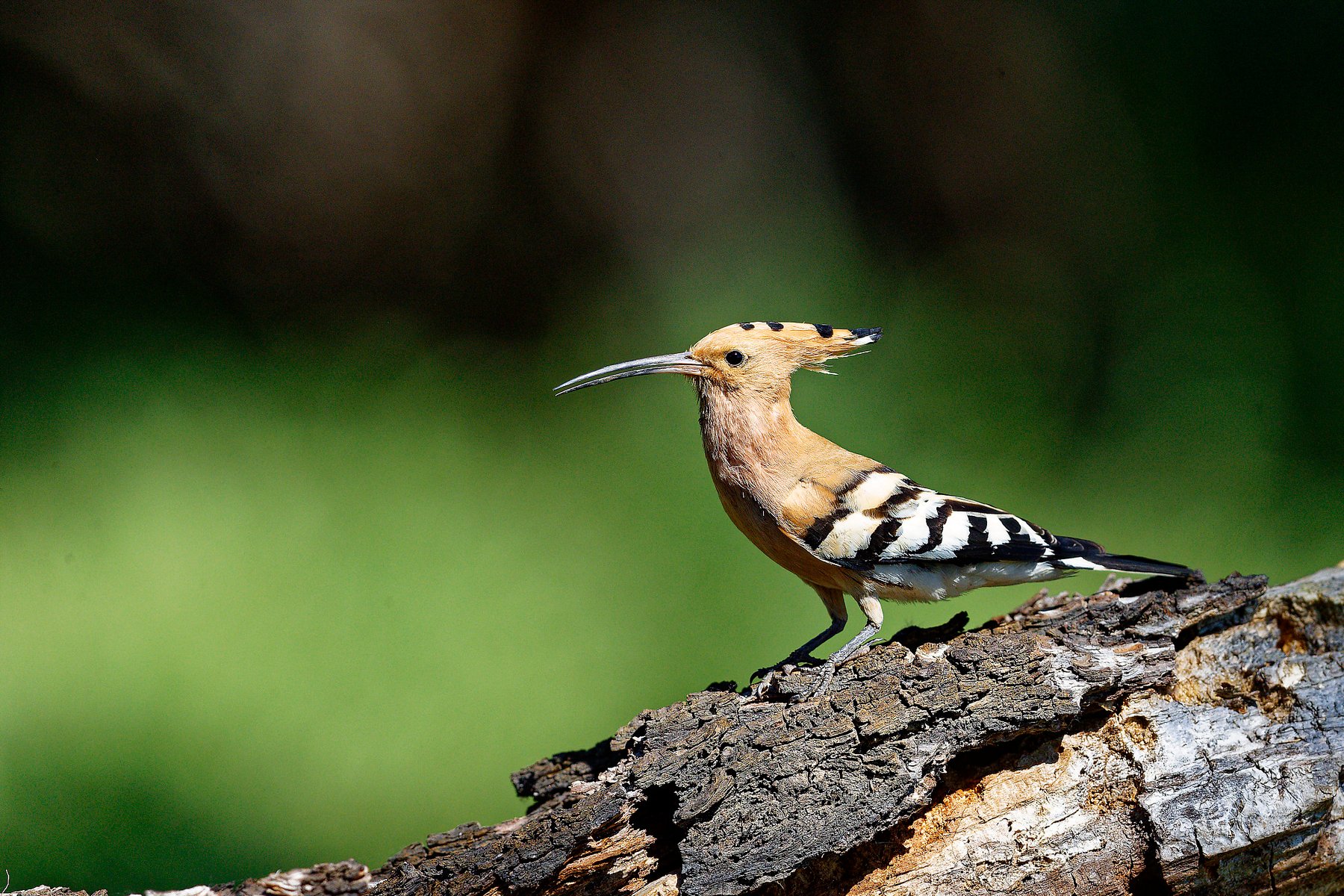
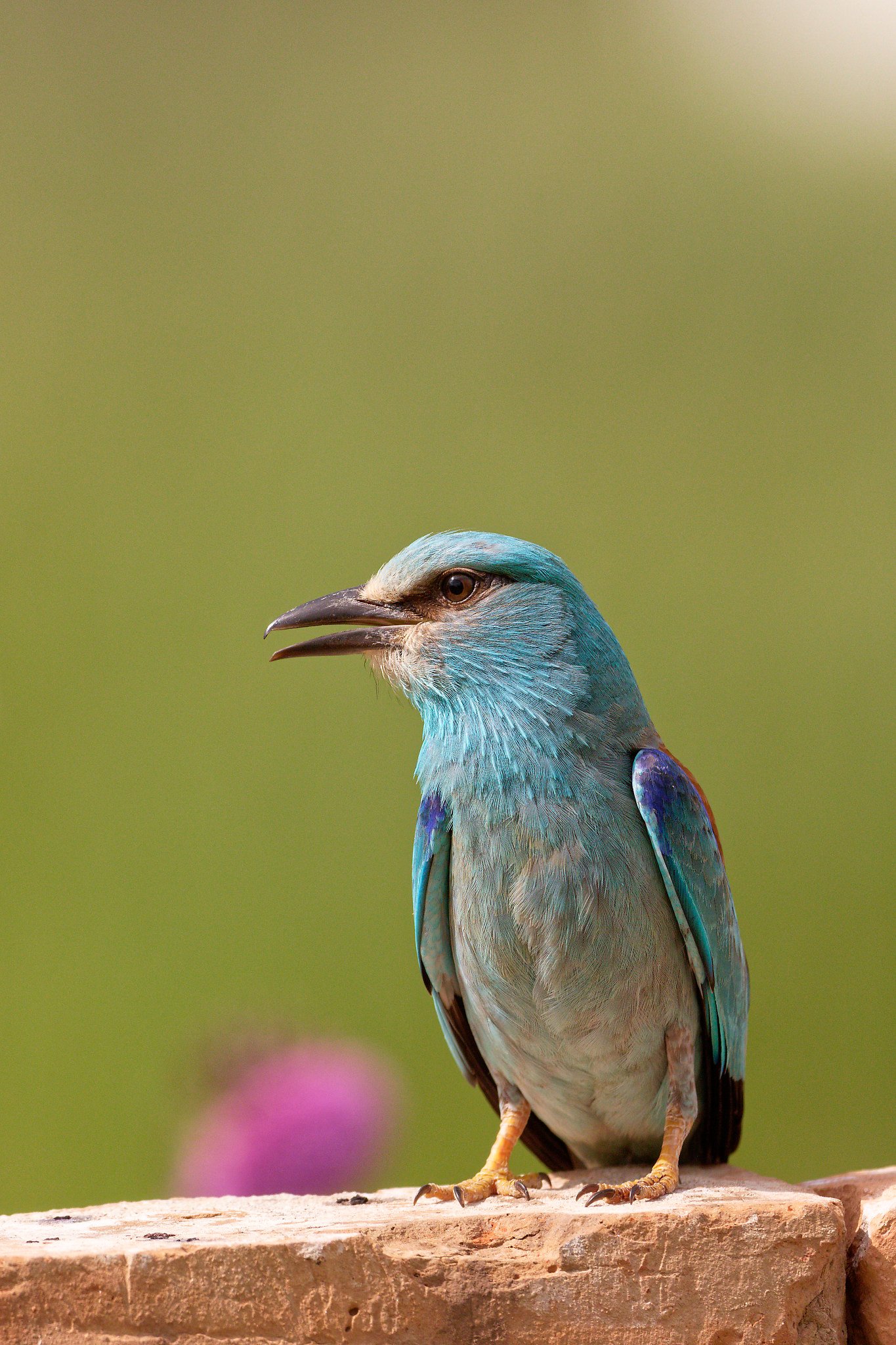
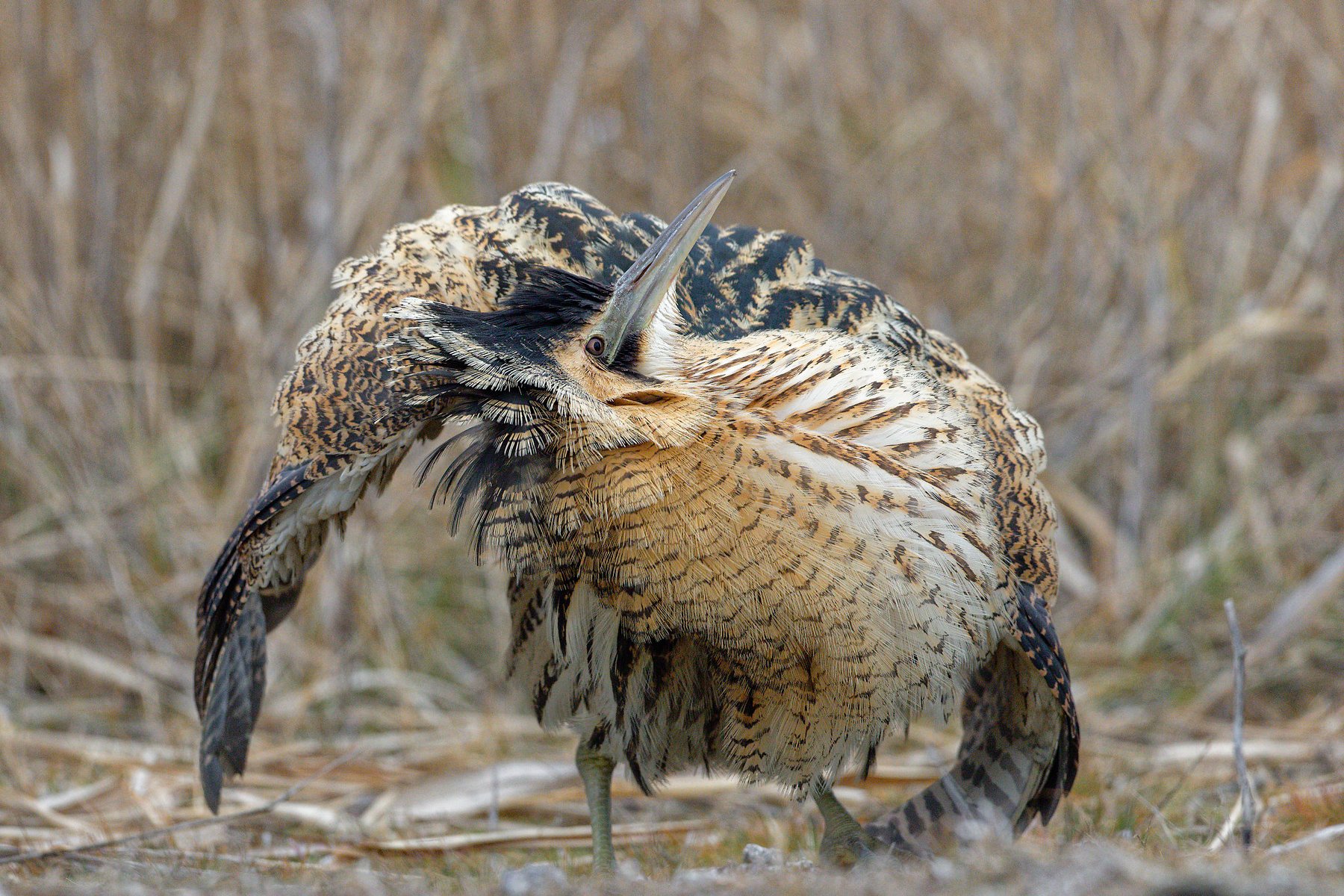
It’s the perfect place to photograph a bee-eater hovering just meters away, a roller frozen in the golden glow of midday, or a souslik darting between hills. You may also glimpse the lesser spotted eagle in wide gliding flight, the bittern camouflaged in reeds, or swifts tracing the sky in aerial choreography.
In these guided tours, we reach little-known spots far from paved roads, observe rare behaviors, and capture stark contrasts between stone, sky, and wing. Ideal for ethical birdwatching and documentary-style photography.
Carpathians - Romania
Deep forests, mountain silence, and Europe’s last great wilderness
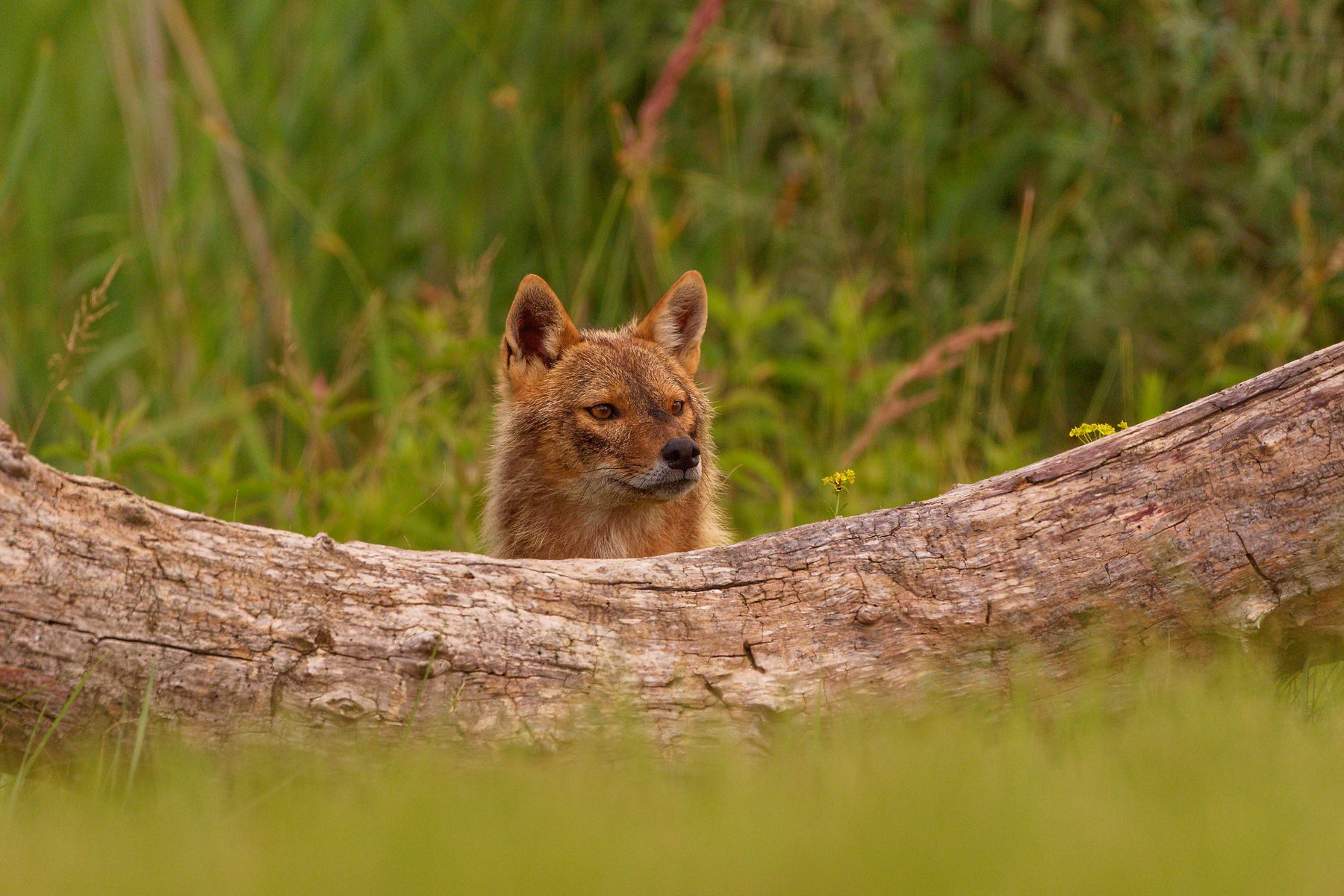
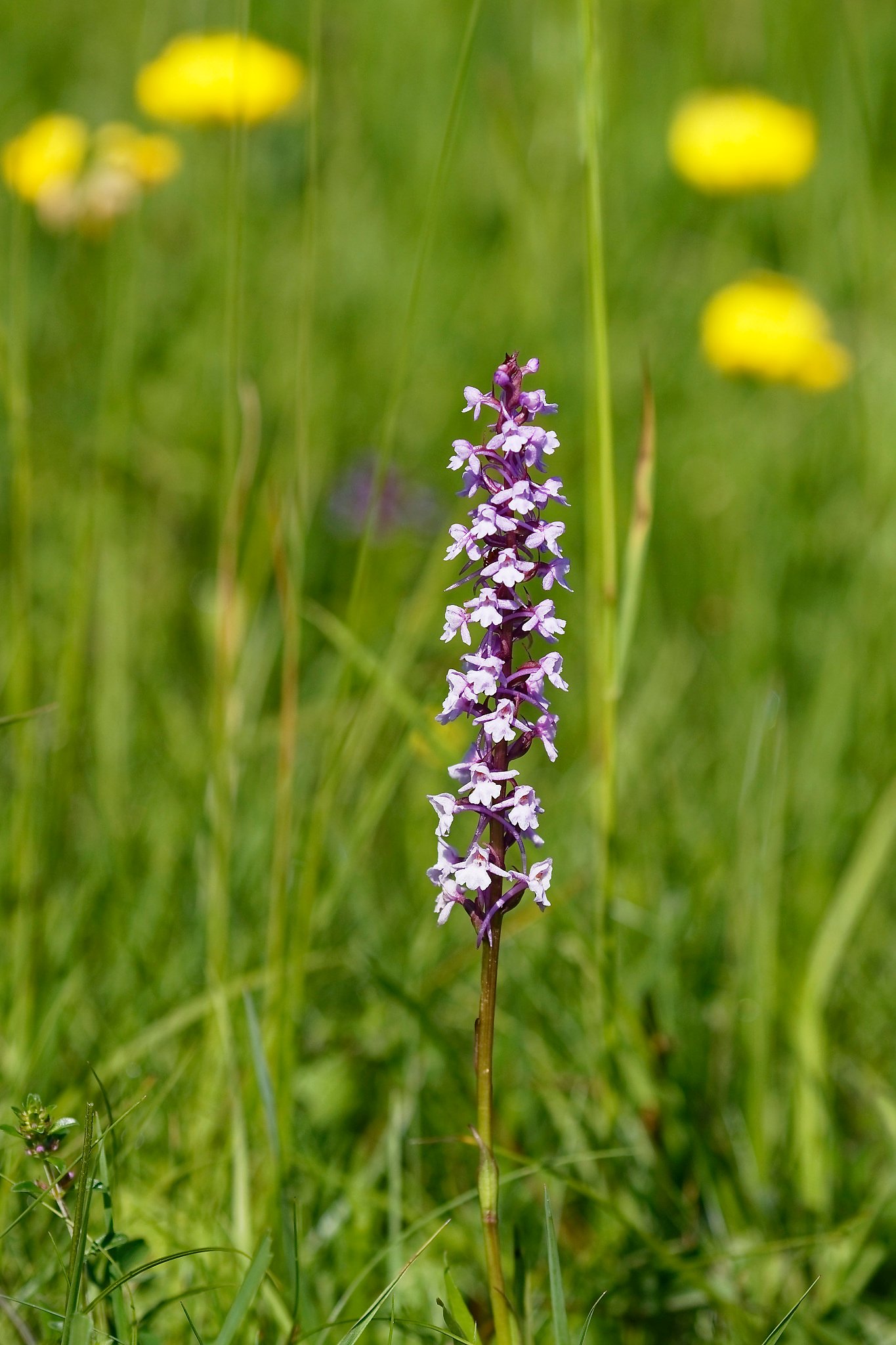
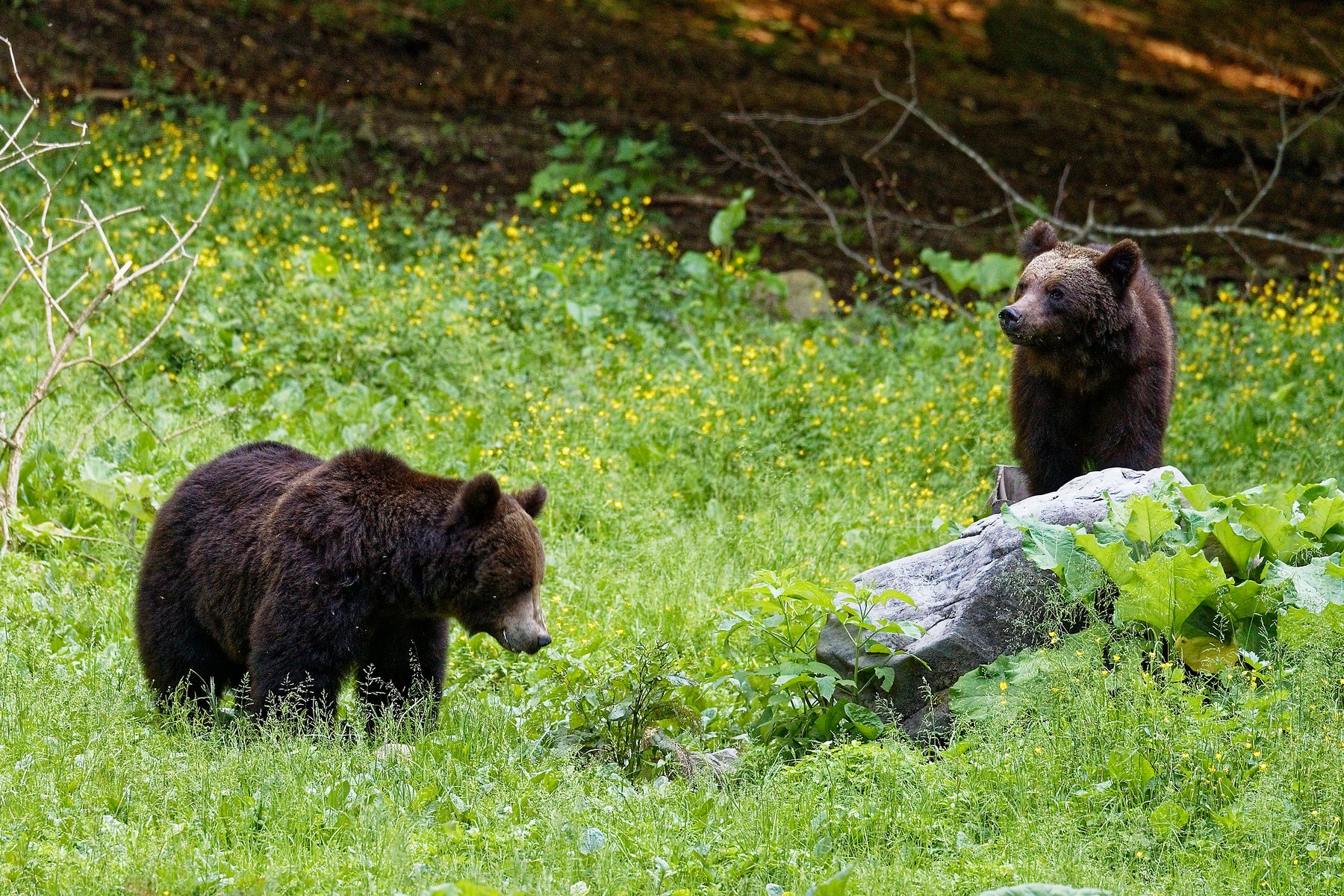
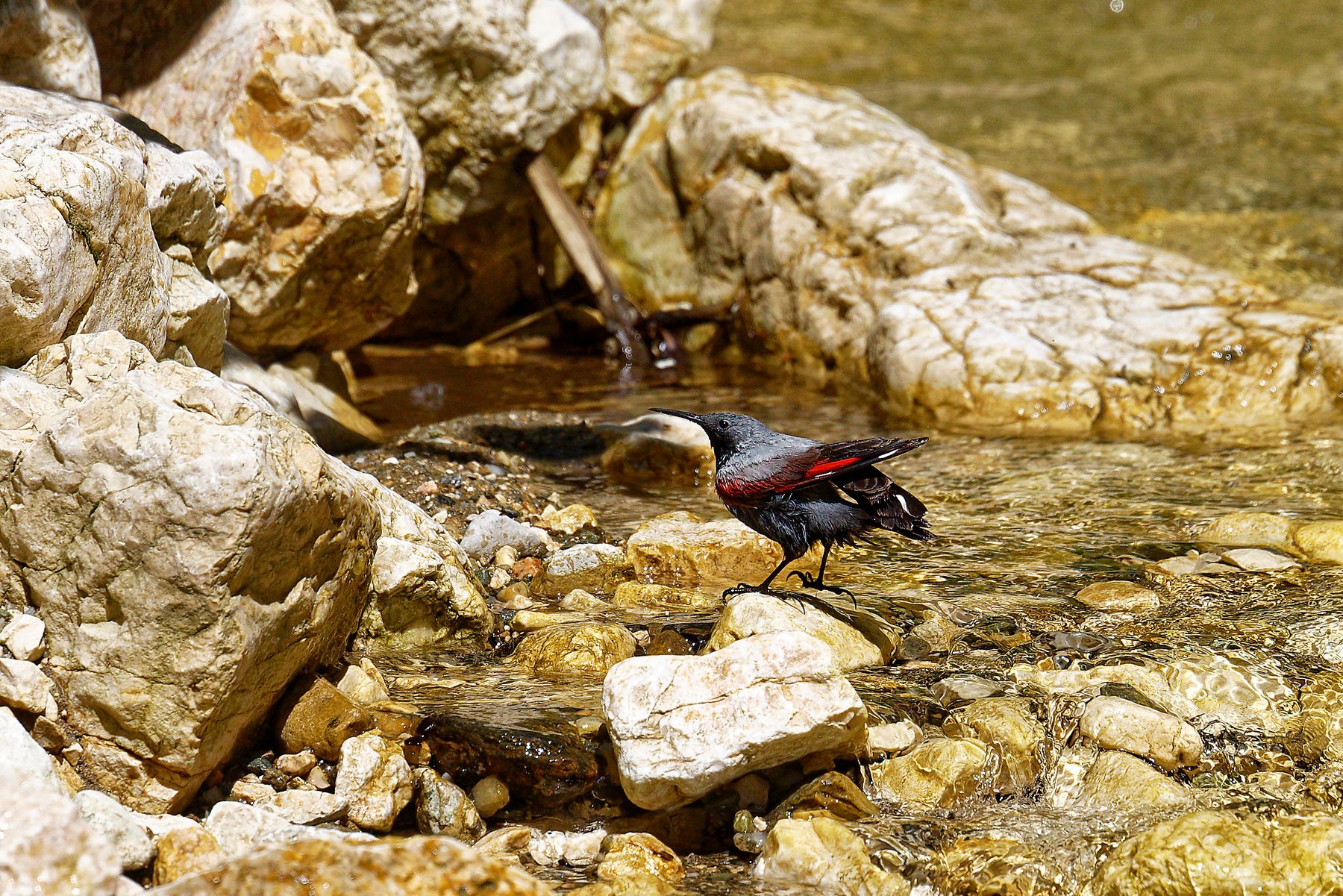
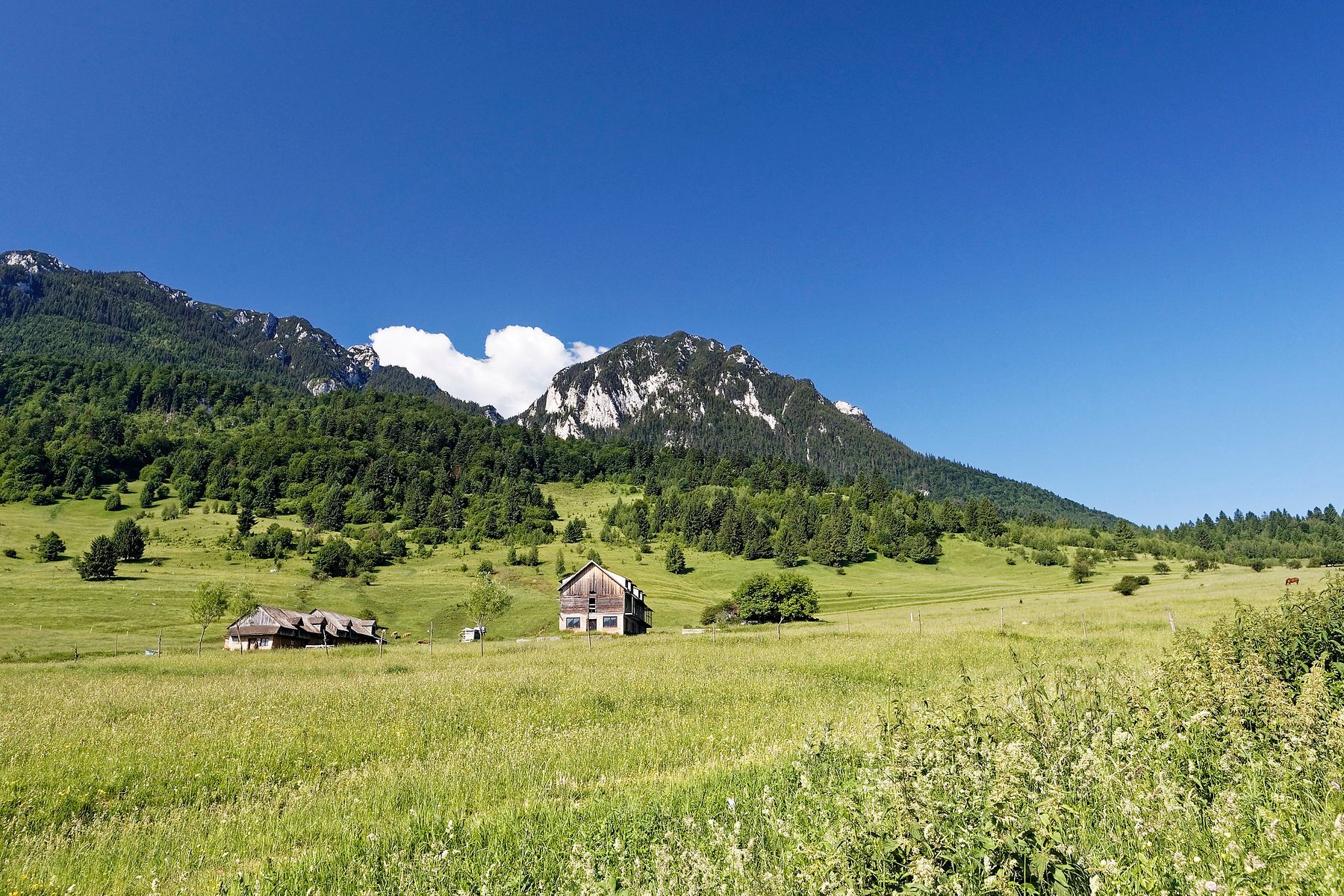
The Carpathians are a different kind of wild. Not open and luminous like the Delta, nor dry and exposed like Dobrogea, but vast, shadowed, and full of quiet tension. Here, mist drifts through ancient forests, light filters softly between spruce and beech, and every sound feels amplified — the crack of a branch, the distant call of an owl, the sudden movement of a deer at the forest edge. It is a place of patience and atmosphere, where wildlife reveals itself slowly: a brown bear emerging at dusk, a capercaillie calling at first light, a wallcreeper flashing against limestone, or a Ural owl hidden in the deep woods. Our guided tours are designed around timing, habitat, and stillness, giving you the chance to experience the Carpathians not as a checklist, but as a living mountain world. Ideal for ethical wildlife watching, bird photography, and those drawn to the raw beauty of Europe’s last great forests.
More about Carpatians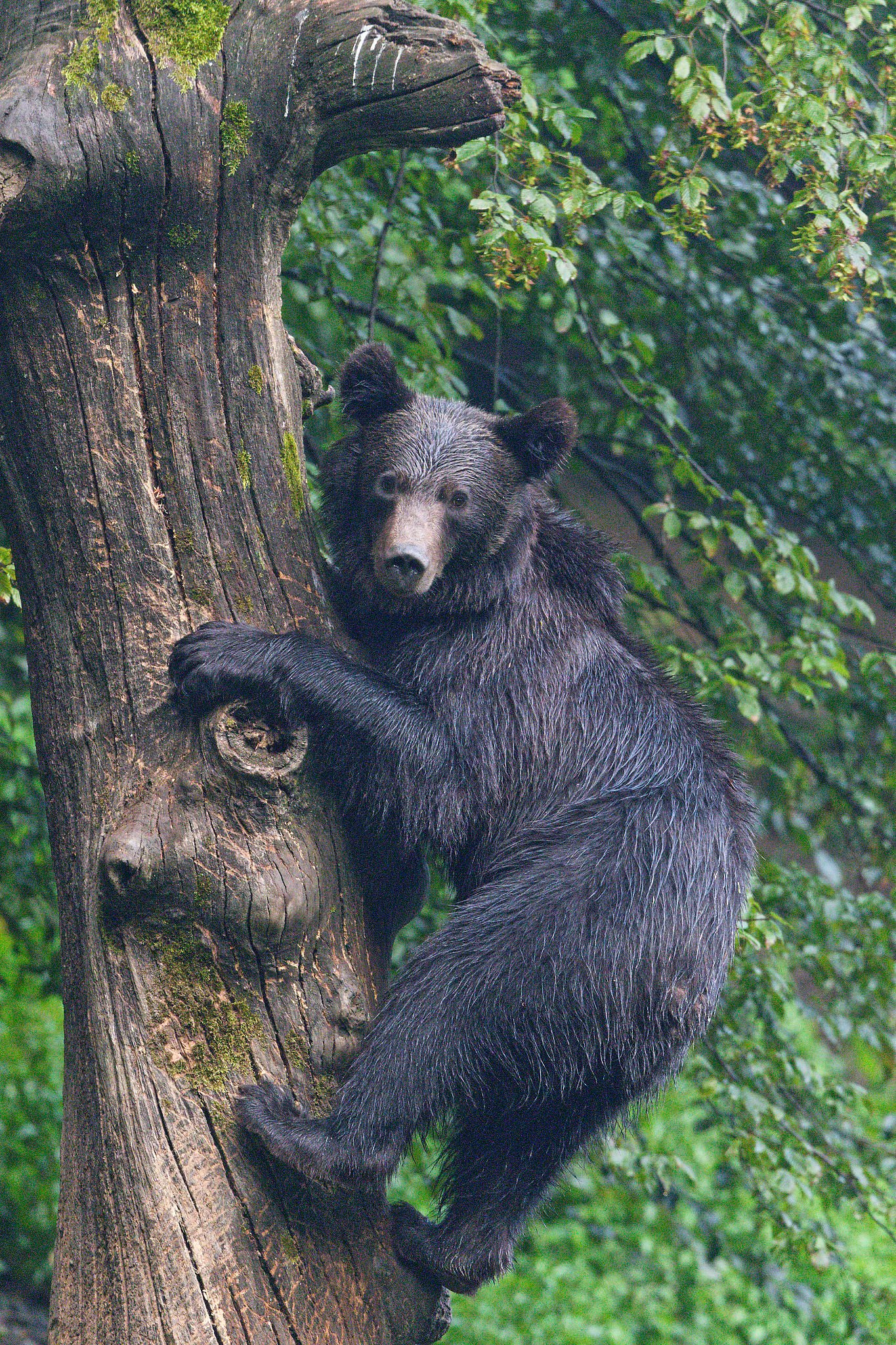
Birds You Can See in Romania
Romania's 400+ species span waterbirds, raptors, forest species, and steppe birds. A selection of the most sought-after species by habitat.
Delta Waterbirds
Dalmatian Pelican – Pelecanus crispus
Great White Pelican – P. onocrotalus
Pygmy Cormorant – Microcarbo pygmaeus
Squacco Heron – Ardeola ralloides
Night Heron – Nycticorax nycticorax
Purple Heron – Ardea purpurea
Glossy Ibis – Plegadis falcinellus
Ferruginous Duck – Aythya nyroca
White-tailed Eagle – Haliaeetus albicilla
Common Kingfisher – Alcedo atthisSteppe & Dobrogea
European Roller – Coracias garrulus
European Bee-eater – Merops apiaster
Collared Pratincole – Glareola pratincola
Lesser Kestrel – Falco naumanni
Red-footed Falcon – Falco vespertinus
Long-legged Buzzard – Buteo rufinus
Calandra Lark – Melanocorypha calandra
Black-headed Bunting – Emberiza melanocephala
Pied Wheatear – Oenanthe pleschanka
Isabelline Wheatear – O. isabellinaCARPATHIAN FOREST
Capercaillie – Tetrao urogallus
Hazel Grouse – Tetrastes bonasia
Ural Owl – Strix uralensis
Tengmalm’s Owl – Aegolius funereus
Three-toed Woodpecker – Picoides tridactylus
White-backed Woodpecker – Dendrocopos leucotos
Black Stork – Ciconia nigra
Saker Falcon – Falco cherrug
Wallcreeper – Tichodroma muraria
Alpine Accentor – Prunella collarisWinter Spectacle
Red-breasted Goose – Branta ruficollis
White-fronted Goose – Anser albifrons
Rough-legged Buzzard – Buteo lagopus
Peregrine Falcon – Falco peregrinus
Merlin – Falco columbarius
Great Grey Shrike – Lanius excubitor
Penduline Tit – Remiz pendulinus
Smew – Mergellus albellus
Long-tailed Duck – Clangula hyemalis
Velvet Scoter – Melanitta fusca
Best Seasons for Birding in Romania
SPRING
April – JunePeak breeding season. Colonies active, passage migrants, long days. May is the single best month of the year.
SUMMER
July – AugustPost-breeding concentrations, juveniles, early wader migration. Hot but excellent for delta species.
AUTUMN
September – OctoberMigration spectacle on the Via Pontica. Raptors, storks, millions of passerines. Red-breasted Geese arrive.
WINTER
December – FebruaryRed-breasted Goose winter flocks (25,000–50,000 birds). Raptors on the steppe. Cold but uncrowded and spectacular.
Questions About Birding in Romania
Romania has recorded more than 400 bird species, putting it firmly among Europe's top five birdwatching destinations. The Danube Delta alone accounts for over 360 of those — it is home to Europe's largest breeding colony of Dalmatian Pelicans, and Dobrogea hosts virtually the entire Central European wintering population of Red-breasted Geese.
What is the best time of year for birding in Romania?
April through June is the peak season — breeding colonies are in full swing, passage migrants are on the move, and daylight hours are long. May is consistently the single best month of the year. September and October bring excellent migration activity, while winter — December through February — delivers something spectacular in its own right: vast Red-breasted Goose flocks on the Dobrogea steppe, typically numbering between 15,000 and 50,000 birds, with historically even larger gatherings on record.
What is the Danube Delta and why does it matter for birds?
The Danube Delta is Europe’s second-largest river delta and its best-preserved wetland, stretching across 5,800 km² in eastern Romania. UNESCO designated it a Biosphere Reserve in 1990. It supports breeding colonies of Dalmatian Pelican, Great White Pelican, Pygmy Cormorant, and Squacco Heron, among others, with more than 250 bird species breeding within its boundaries.
Can I combine the Danube Delta with Carpathian wildlife?
Absolutely. Combined itineraries are available that pair a Danube Delta tour of four to five days with two days of Carpathian bear watching. The two regions sit roughly four hours apart by road. Custom programmes of seven to ten days are available on request — get in touch and we’ll put something together for you.
Do I need permits for birdwatching in Romania?
Access to the Danube Delta Biosphere Reserve requires an ARBDD permit, which is included in all Just Wildlife Tours packages. Entry into the strictly protected core zones is legally restricted to visitors accompanied by a licensed guide — all of our guides hold the necessary certifications. The Carpathian region is freely accessible without any permit requirements.